-
Plan a Tidal Basin Cherry Blossom Visit Without the Stress
Plan a Tidal Basin Cherry Blossom Visit Without the Stress
Every spring, the Tidal Basin becomes one of the busiest and prettiest spots in Washington, DC. The blooms look dreamy, but the crowds, weather, and walking can catch people off guard.
A little planning changes the whole day. If you’re a first-time visitor, a local, a couple, or a family with kids, the goal is simple: see the cherry blossoms without spending half the trip stuck in traffic or shuffling through packed paths.
Start with timing, then think about transit, walking distance, and what you’ll carry. That simple plan makes the visit feel a lot lighter.
Pick the right time for your Tidal Basin cherry blossom visit
Bloom timing shifts every year, so don’t pick a date based on old photos or last year’s trip reports. Instead, check the National Park Service bloom forecast before you go. That forecast gives you the best read on when the trees are moving toward peak.
Peak bloom usually gets all the attention, but it isn’t the only good time to visit. In many years, the full viewing window stretches a bit before and after peak. If you want more breathing room, that wider window matters.
Peak bloom gets the headlines, but pre-peak and post-peak days can make for a better visit.
Weekday mornings tend to be the easiest. Sunrise is even better if you want calm paths and soft light. Early evening can also be nice, although popular spots often stay busy until sunset.
Here is the simplest way to think about the bloom stages:
Stage What it looks like Best for Pre-peak Buds mixed with open blossoms Lighter crowds, early photos Peak bloom Trees look fullest and most dramatic Classic blossom views Post-peak Petals fall, branches begin to thin Romantic scenes, fewer people The best period can be short. Rain and wind can knock petals down fast, so stay flexible if the forecast changes.
Understand peak bloom, pre-peak, and post-peak days
Pre-peak days usually mean some trees are glowing while others are still opening. The Basin can still look beautiful, and the crowd level is often more manageable. If you care about comfort as much as photos, this is a smart sweet spot.
Peak bloom means about 70 percent of the blossoms are open. This is when the famous postcard look shows up. Paths feel tighter, though, and photo stops take patience.
Post-peak has its own charm. Petals drift across the water and gather on the path like spring confetti. If you don’t need perfect full-canopy shots, post-peak can feel softer and less intense.
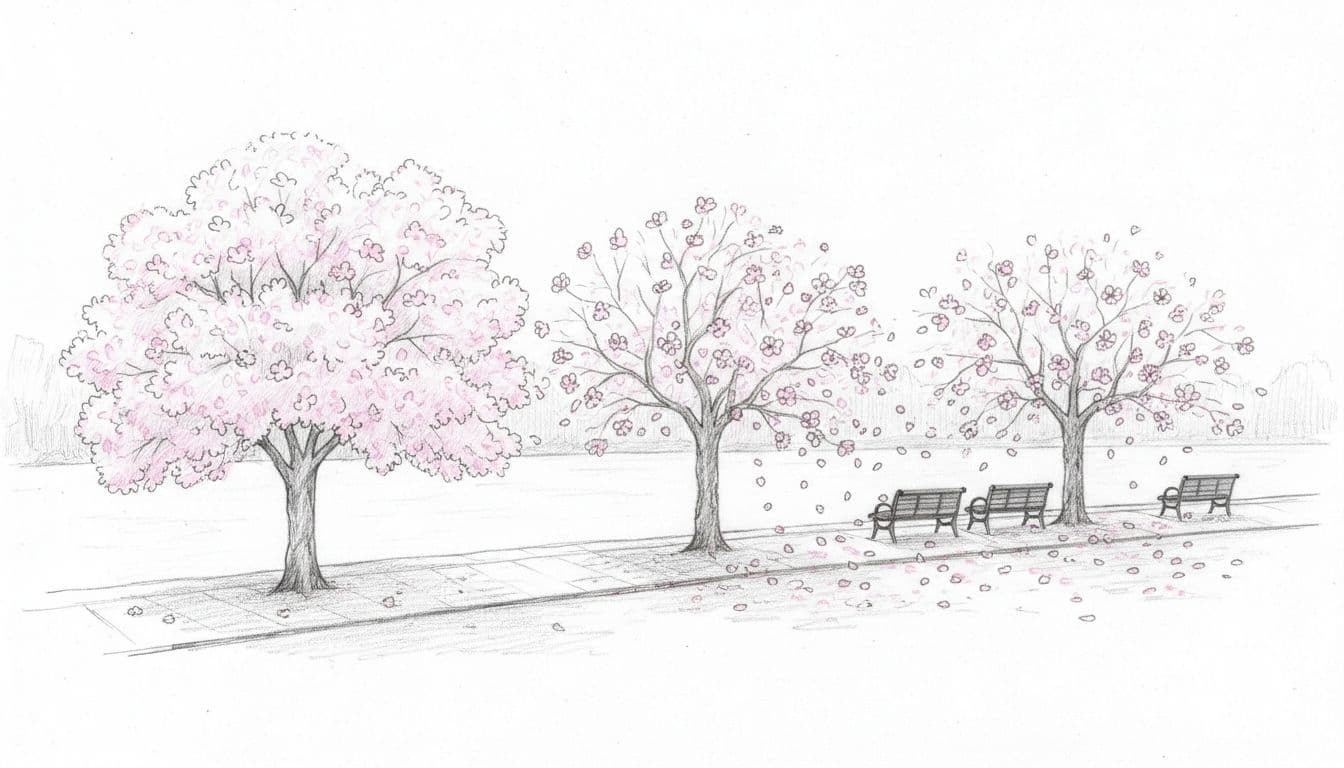
AI generated image.
Choose the best time of day for photos and fewer people
Morning is your best friend here. Light is gentler, temperatures are often cooler, and the paths are easier to walk. You’ll also spend less time waiting for a clear shot.
Sunset can be gorgeous across the water, especially near the Jefferson Memorial. Still, don’t expect quiet unless you’re visiting on a less busy day. If you want the easiest experience, go early and treat the extra sleep like the price of admission.
Plan how you’ll get there before the crowds hit
Driving to the Tidal Basin during cherry blossom season can feel like bringing a beach chair to a packed concert. You might get there, but you’ll work too hard for the spot. Parking is limited, roads can close, and event traffic gets heavy during the National Cherry Blossom Festival period.
For most visitors, Metro is the easiest choice. Walking in from a station also gives you more control over your route. That matters when sidewalks start filling up.
Smithsonian is a common stop if you want to approach from the National Mall side. L’Enfant Plaza works well for several routes and transfer options. Foggy Bottom can also make sense, especially if you want a longer walk past other landmarks. The best stop depends on where you want to begin and end, so map the route before you leave.
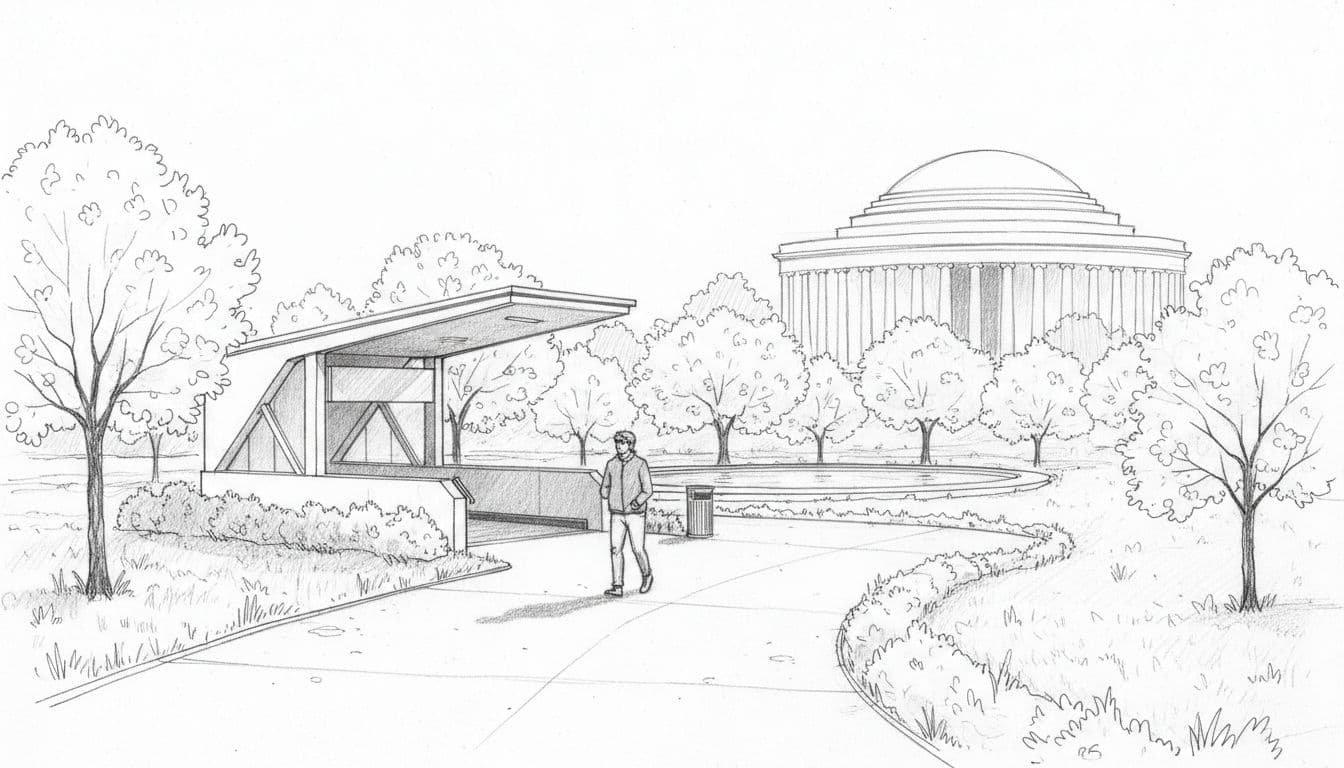
AI generated image.
Best Metro stops and walking routes to the Tidal Basin
If you want a direct-feeling walk, many people choose Smithsonian or L’Enfant Plaza. From either one, you’re still walking a bit, so wear shoes that can handle more than a quick stroll.
Foggy Bottom can be useful if you’re pairing the Basin with the western end of the Mall or nearby food stops later. Because station exits and street routes vary, check your map before you go underground. That small step saves a lot of standing around once you surface.
What to know about parking, rideshare, and bike options
Parking near the Basin is often more trouble than it’s worth, especially on weekends. If you must drive, expect a longer walk from wherever you finally find a legal space.
Rideshare can work, but don’t aim for the most crowded choke points. Pick a safe, legal drop-off a little farther out, then walk in. That short extra walk often saves time.
Biking is another solid option. Capital Bikeshare can be useful if you’re comfortable riding in city traffic and docking a bike a bit away from the busiest paths. Scooters may also be around, where local rules allow, but crowded pedestrian areas are not the place to weave through people.
Map out your cherry blossom walk around the Tidal Basin
The Tidal Basin loop looks simple on a map, but it feels longer when you’re stopping for photos, dodging crowds, and walking with kids. A loose route helps. You don’t need a military-level plan, only a good starting point and realistic expectations.
The classic views sit near the Jefferson Memorial, where blossoms frame the dome across the water. The Martin Luther King, Jr. Memorial area also gives strong photo angles, especially when the trees reflect on the Basin. On the Franklin Delano Roosevelt Memorial side, the path can feel a bit more spread out in places, which helps when the main hotspots get packed.
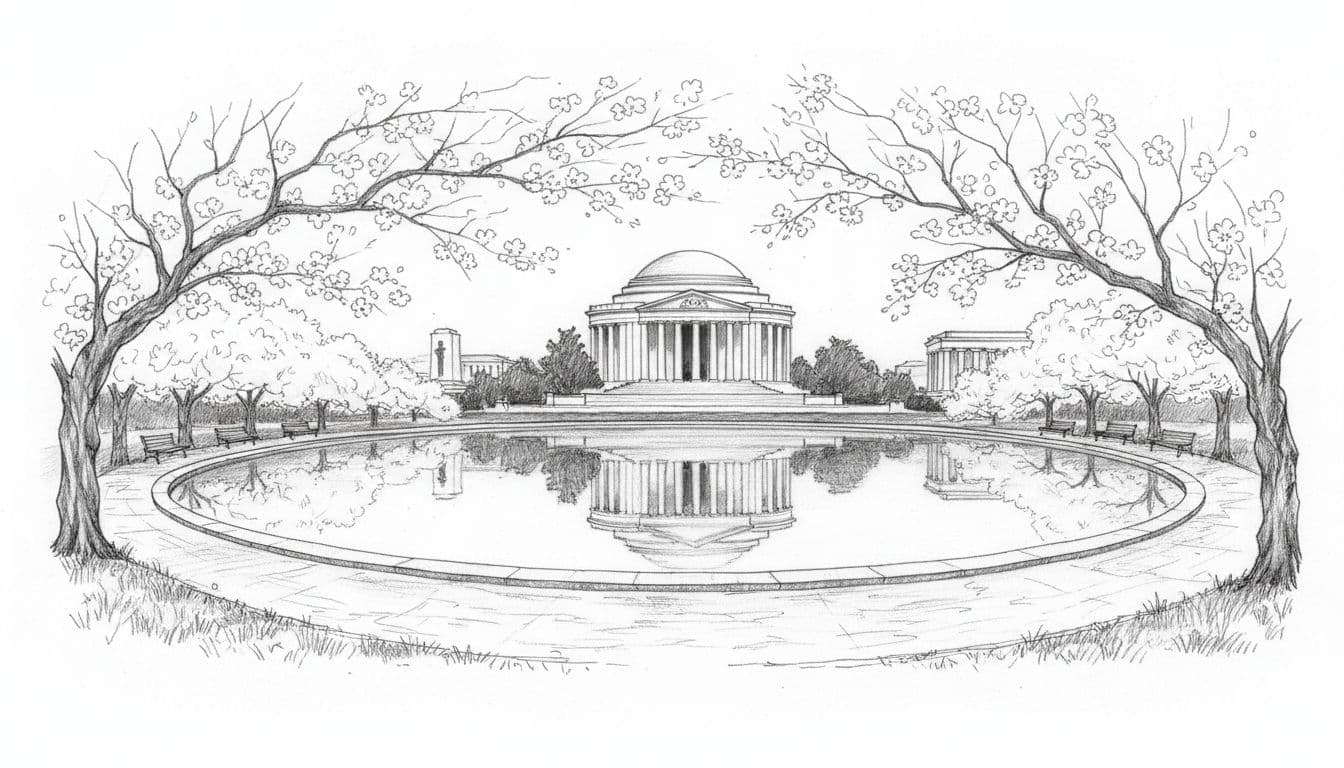
AI generated image.
Across the water, you can often get wide views that feel calmer than the busiest tree tunnels. Those open sight lines are great when you want the blossoms and the city backdrop in one frame.
Top spots for blossom views, photos, and classic DC backdrops
Near the Jefferson Memorial, expect the most famous shots and the most foot traffic. If you stop there, keep your photo break short and move along once you get what you need.
The MLK area gives a different mood, with strong lines from the memorial and softer trees nearby. Meanwhile, the FDR side can reward patient walkers who don’t mind covering more ground. In each area, the trick is the same: pause, take the shot, then keep moving.
How long the loop takes and what the walk feels like
A full loop with casual photo stops often takes 60 to 90 minutes. If you’re moving slowly, visiting with kids, or waiting for photos, it can stretch closer to two hours.
Crowds change the feel of the walk. Some stretches move easily, while others bunch up fast. Parts of the path may be uneven, and not every step feels smooth when it’s busy. Comfortable shoes make a bigger difference than most people expect.
Pack smart and follow simple etiquette for a better day
Spring in DC can flip on you. A cool morning can turn warm by lunch, and a mild forecast can still bring wind or light rain. Because of that, packing light but smart is the move.
Bring what helps you stay comfortable for a couple of hours outdoors. You don’t need a huge bag, only a few basics:
- Comfortable shoes for steady walking on crowded paths
- Layers so you can adjust as the temperature shifts
- Water and a snack if you’re traveling with kids or waiting in lines
- Sunscreen for bright days by the water
- A portable charger because photos drain batteries fast
- A light rain jacket if the weather looks shaky
Your phone camera may be all you need. Good light and a calm moment matter more than fancy gear.
What to bring for comfort, weather, and better photos
If you’re visiting early, a light jacket helps. By midday, you may want to tie it around your waist. That swing is common in March and early spring.
Water matters more than people think, especially on warm afternoons. Restrooms and food options aren’t always right where you want them, so don’t start the walk empty-handed. Also, charge your phone before you leave. Low battery at the best view is a bad trade.
Cherry blossom etiquette that helps everyone enjoy the trees
The blossoms are delicate, and the area gets heavy use. Don’t pull branches down for photos. Don’t climb trees, step into planted areas, or block the full path while posing.
Patience goes a long way here. Take your photo, then let the next group step in. If everyone treats the space like a shared park instead of a private set, the whole visit feels better.
Turn your blossom trip into a full DC day
Once you’ve made the trip, it makes sense to keep the day going. The Tidal Basin sits close to some of DC’s easiest add-on stops, so you can build a relaxed half-day or full-day plan around it.
After your walk, you might head toward the National Mall, nearby memorials, or a museum. If paddle boats are running for the season, that can be a fun change of pace. Families often like mixing blossom time with one indoor stop, especially if the weather turns.
Nearby things to do after the Tidal Basin
The National Mall is the obvious next step, and for good reason. You can keep walking, slow the pace at a memorial, or duck into a museum when your feet need a break.
Couples may want to linger by the water or keep strolling for more views. Families often do better with a simple reward built in, like lunch and a place to sit. A blossom day is more fun when you don’t push it too hard.
Where to eat after a long walk around the blossoms
By the end of the loop, most people want something easy, filling, and low-stress. That’s even more true if you’re with kids, meeting friends, or trying to avoid another long wait.
For DC and Maryland area visitors, Ledo Pizza is a solid post-walk option. Square pizza is easy to share, and the menu also gives you salads, subs, and other group-friendly picks. Instead of hunting for a complicated meal after a crowded morning, you can keep the day simple and sit down somewhere that works for different appetites.
The best cherry blossom trips aren’t the ones with perfect timing or perfect photos. They’re the ones where you check the bloom forecast, arrive early, use transit, wear good shoes, and stay flexible when the crowds or weather shift.
The Tidal Basin is still worth the effort. With a little planning, the day feels less like a scramble and more like spring should feel, bright, easy, and worth remembering.
If you’re picking a date now, make your plan today and give yourself room to adjust. That’s the smartest way to catch the blossoms at their best.
-
The History of Opening Day for the Baltimore Orioles
The History of Opening Day for the Baltimore Orioles
What makes Opening Day in Baltimore feel bigger than one game? Part of it is baseball, of course. Part of it is spring. But a lot of it comes from history, memory, and the way the city shows up every year with fresh hope.
The modern Orioles arrived in Baltimore in 1954, when the St. Louis Browns moved and took on a new name. From that point on, Opening Day quickly became more than a date on the schedule. It turned into a city tradition, tied to local pride, packed streets, old routines, and the simple joy of seeing orange and black again. From Memorial Stadium to Camden Yards, the first game of the season has carried the same promise, this year could be the start of something good.
How the Orioles gave Baltimore a new Opening Day in 1954
Baltimore already loved baseball before 1954. The city had strong baseball roots, older Orioles teams, and fans who understood the sport deeply. Still, getting a Major League club changed everything. It gave Baltimore a new center of gravity each spring.
That first Orioles season felt like a civic reset. The city was no longer watching from the side. It had its own American League team, its own uniforms, and its own home dates to circle. Opening Day became the public face of that change. People didn’t just attend, they claimed it.
From the St. Louis Browns to the Baltimore Orioles
The franchise that came to Baltimore had spent years in St. Louis as the Browns. After the move, the club took the Orioles name and began a new chapter. For Baltimore, the change meant far more than a rebrand. It meant belonging to the major league map.
Fans finally had a team to follow from the first pitch of spring to the last out of fall. That mattered in a town that had long wanted major league status again. Every new season now opened with a local team, not someone else’s club passing through.
Because of that, the first Baltimore opener carried extra weight. It wasn’t only the start of a season. It was proof that the city had arrived.
What the first Baltimore home opener felt like
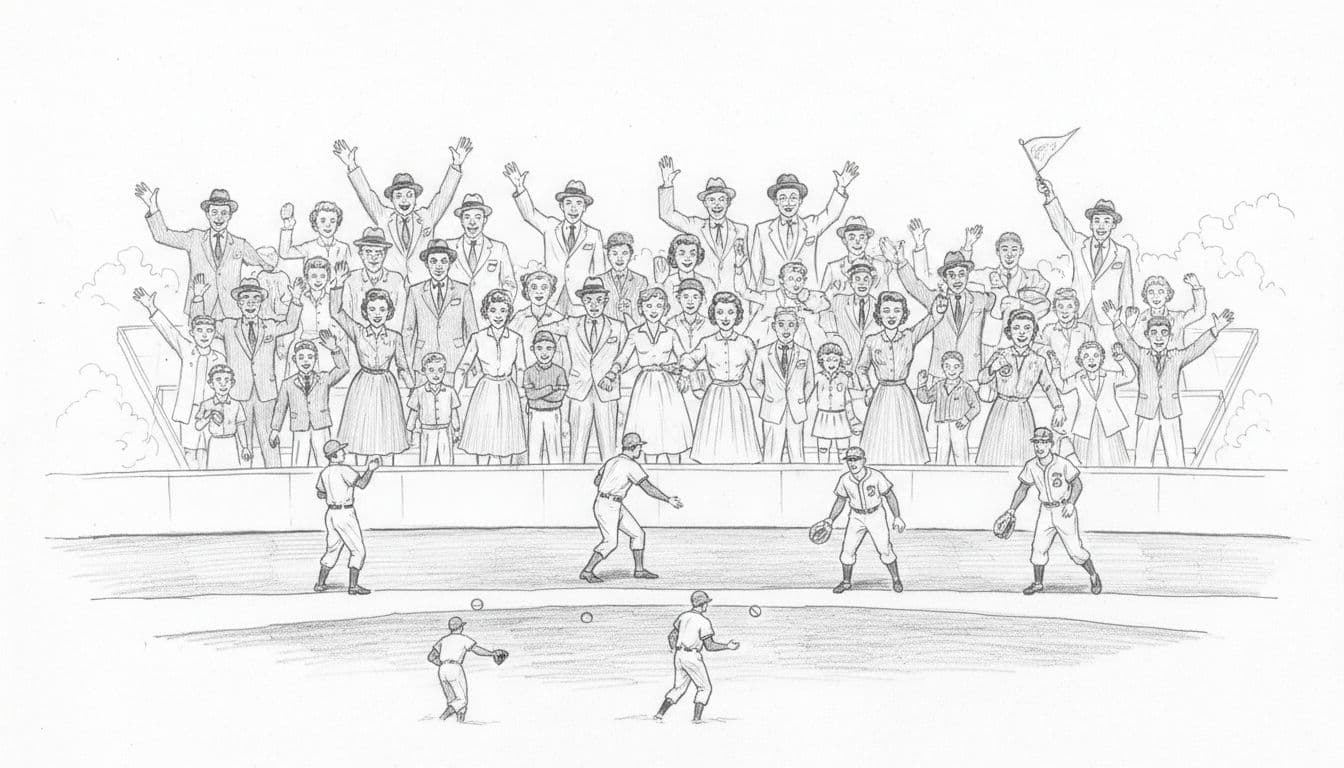
The early home opener at Memorial Stadium had the mood of a public celebration. Families came out together. Pennants waved. The stands filled with fans who wanted to see, and be seen, at the birth of something new.
There was noise, color, and a real sense of release. After a long winter, baseball returned with a fresh identity that belonged to Baltimore. That first wave of fan support set the tone for decades to come.
It also helped that Opening Day fit the city’s personality. Baltimore has always valued tradition, neighborhood ties, and a good reason to gather. The Orioles gave people all three at once.
Why Memorial Stadium made early Orioles Opening Days feel so special
Memorial Stadium gave early Orioles Opening Days their stage, and it was a good one. The ballpark could feel grand and neighborly at the same time. Fans came in waves, but the day still had a family feel.
For many people, going to the opener became an annual habit. Parents took kids. Friends met up at the same spots. Some fans wore old team gear for luck, while others just wanted to hear the first cheers rise from the stands. The park turned those habits into memory.
Crowds, ceremonies, and a full day in the city
At Memorial Stadium, Opening Day often felt like a whole-day event. Fans didn’t just show up at game time and leave after the ninth. They built a day around it.
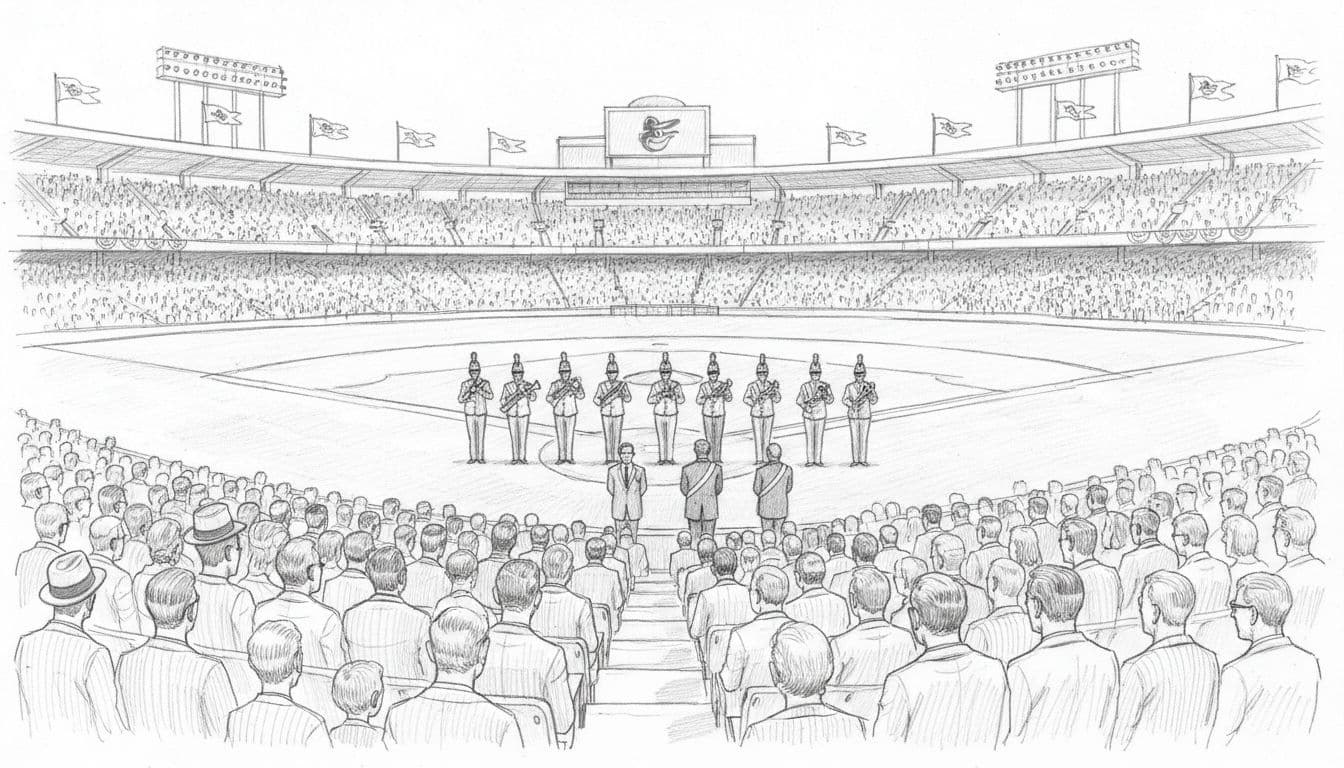
Pregame ceremonies helped. Marching bands, civic figures, first pitches, and introductions gave the opener a formal touch. Yet the mood never felt stiff. It felt festive, like the city had agreed to celebrate together.
Around the game, Baltimore buzzed. Restaurants filled up. Radios carried pregame talk. People made plans around first pitch the way they might for a holiday parade. Over time, that rhythm became part of spring itself.
The winning years made Opening Day even bigger
Then the team got good, and the stakes rose. In the 1960s, 1970s, and into the early 1980s, the Orioles became one of baseball’s steadier winners. That success gave Opening Day extra force.
When fans believed the club could contend, the first game felt loaded with meaning. It wasn’t just a reunion after winter. It was a first look at a team that might chase a pennant.
That changes the air in a ballpark. Hope gets louder when it has evidence behind it. Every introduction matters more. Every first hit seems to point toward October, even if it’s only April.
Big moments that shaped Orioles Opening Day over the years
Some Opening Days fade into the background. Others tell the story of a franchise in one afternoon. For the Orioles, a few eras stand out because they show how the team’s identity changed while the tradition stayed strong.
Memorable openers from the Brooks and Palmer era
When fans think about classic Orioles baseball, names like Brooks Robinson, Jim Palmer, and Earl Weaver come fast. Those years gave Baltimore a clear baseball image, smart, tough, and built to win.
Opening Day during that stretch carried a different kind of confidence. Fans didn’t arrive hoping the team might be decent. They often came expecting the Orioles to matter in the standings.
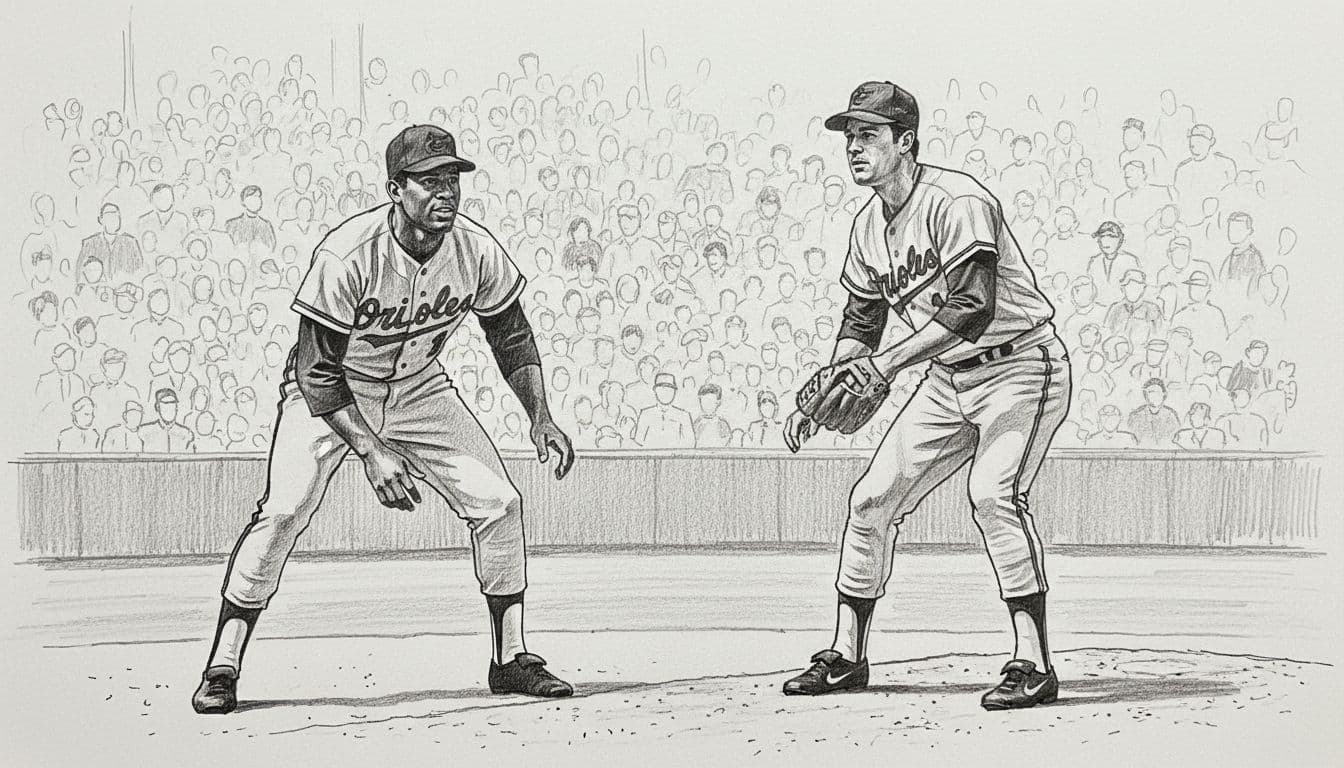
That made the opener feel like the first scene in a story fans trusted. Brooks at third, Palmer on the mound, Weaver in the dugout, those were not just familiar faces. They were signs that Baltimore baseball had standards, and Opening Day was where those standards came back into view.
Cal Ripken Jr. and the modern face of Opening Day
Later, Cal Ripken Jr. became the player most closely tied to Orioles continuity. Rosters changed. Baseball changed. The city changed too. Yet Ripken gave fans a steady thread from one opener to the next.
That mattered because Opening Day works best when it mixes new hope with old memory. Ripken brought both. He symbolized reliability, pride, and the idea that showing up every year still means something.

His streak fits that story, but so does his presence in general. For many Baltimore fans, seeing Ripken on Opening Day meant the season had truly begun. He became part of the annual ritual, almost like the anthem or the first warm afternoon breeze.
Opening Day at Camden Yards changed the look and feel
When Oriole Park at Camden Yards opened in 1992, the Orioles got a fresh home and Opening Day got a new backdrop. The park felt modern, but it also looked rooted in baseball history. That balance made an instant impression.
Eutaw Street, the brick warehouse, and the skyline gave the opener a new visual style. It felt classic without feeling old. Fans could sense that the ballpark itself was part of the event.
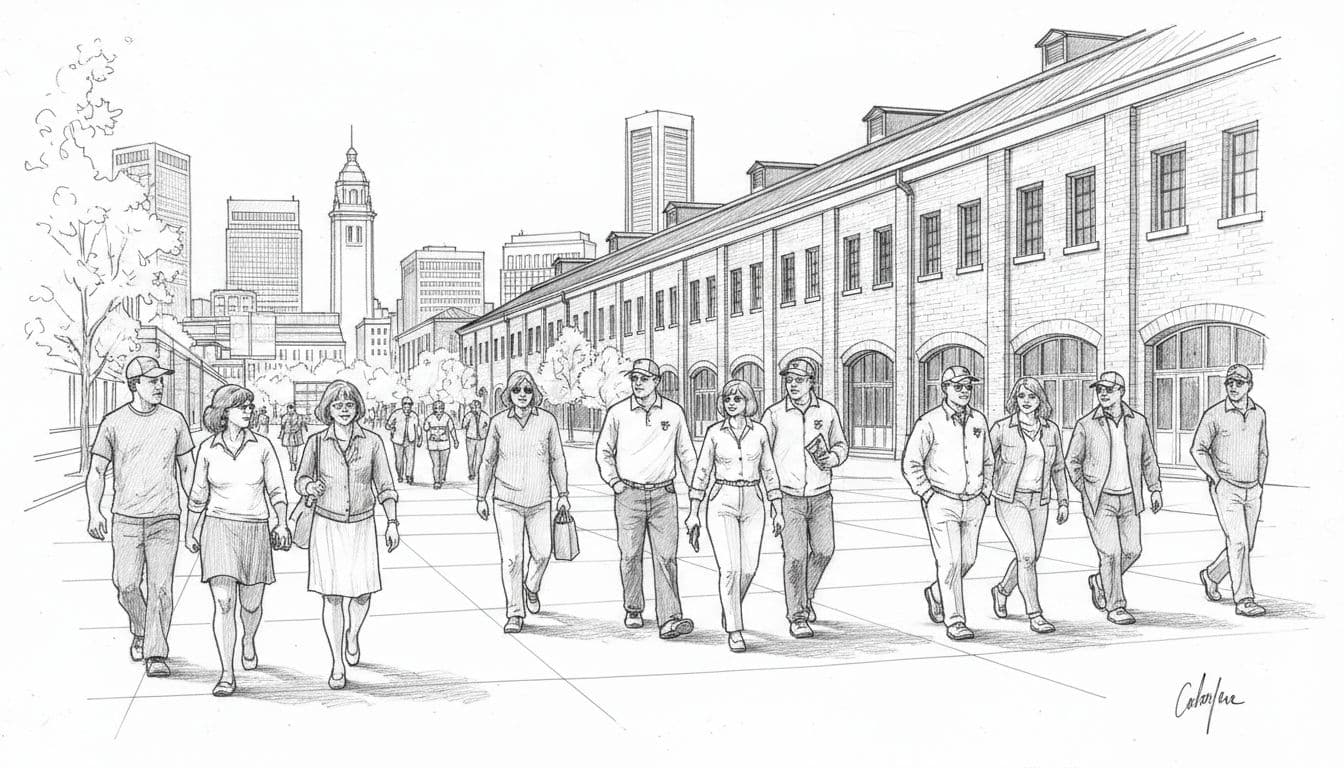
Camden Yards refreshed the franchise at the right time. It gave Opening Day a setting that matched Baltimore’s baseball soul, proud of the past, but ready for something new. In a way, the park did what the 1954 move had done. It made the city feel newly connected to its team.
What Orioles Opening Day means to Baltimore today
Today’s Orioles Opening Day looks different from the one fans knew in the 1950s or 1970s. People post photos before first pitch. Friends text from Eutaw Street. Kids wear jerseys their parents once wore to the yard. Still, the core feeling hasn’t changed much.
The day remains a shared marker on the calendar. It says winter is over. It says baseball is back. Most of all, it says Baltimore gets another chance to gather around the same colors and the same hopes.
Local rituals that keep fans coming back every spring
Every fan has a version of Opening Day. Some take off work. Some bring their kids out of school early. Others meet the same friends every year for a drink, a crab cake, or a quick bite before walking to the park.
Orange and black show up everywhere. So do old jackets, lucky caps, and stories that begin with, “I remember one opener when…” Those routines matter because they turn a baseball date into a family custom.
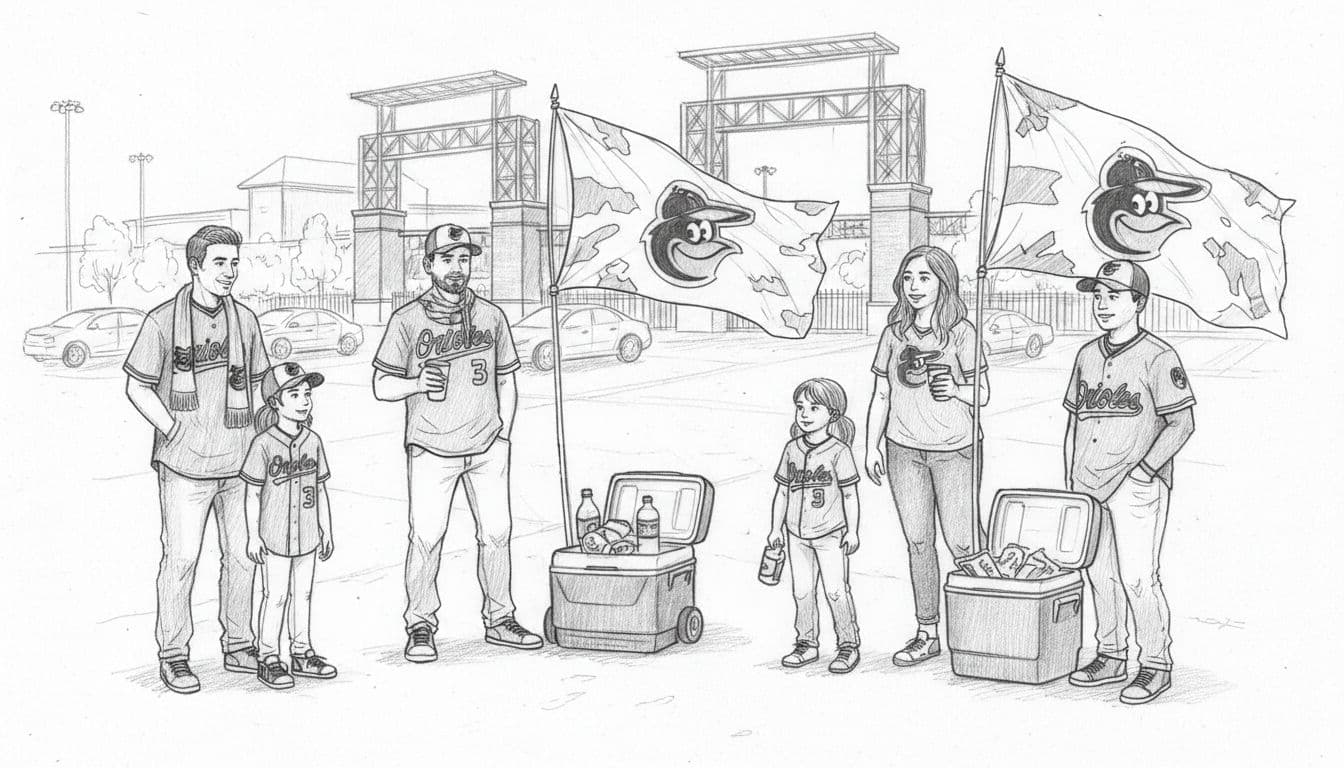
Even fans who don’t attend still feel it. They listen on the radio, follow along at lunch, or make plans around the afternoon. That’s how city traditions work. You don’t have to be in every seat to be part of the event.
Why the first game still feels bigger than baseball
Opening Day lasts because it stands for more than a score. It holds memory, routine, and optimism all at once. A fan might think about a parent, a grandparent, or a first trip to the ballpark before the game even starts.
In Baltimore, Opening Day feels like a handshake between generations.
That may be why the day keeps its power in winning years and losing years alike. The standings are empty that morning. Everyone starts even. Hope walks through the gates with every fan.
Conclusion
The history of Opening Day for the Baltimore Orioles starts with the club’s move to Baltimore in 1954, but it doesn’t stop there. It runs through Memorial Stadium, the Brooks and Palmer years, Cal Ripken Jr., and the fresh look of Camden Yards. Through every era, Opening Day has kept the same pull because it links Baltimore’s baseball past to the promise of a new season. That’s why the first game still matters so much, it feels like the city starting up again.
-
The History of Maryland Day, From 1634 to Today
The History of Maryland Day, From 1634 to Today
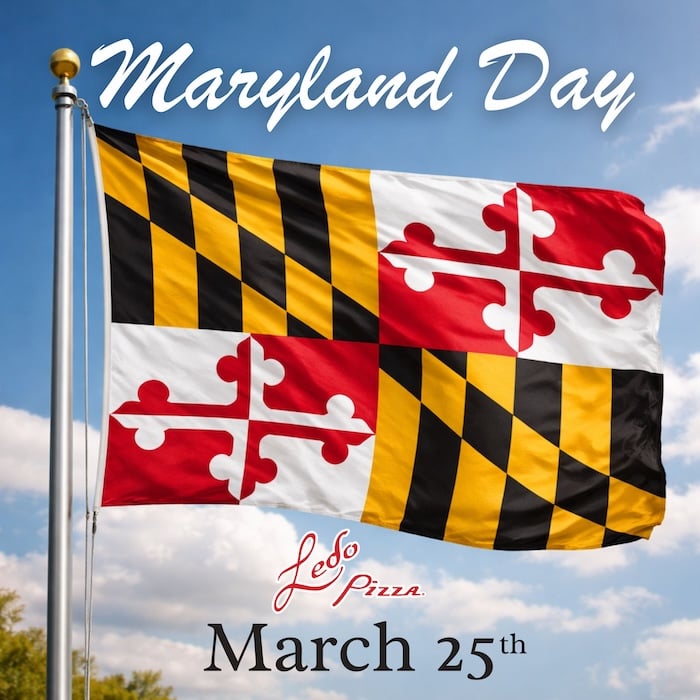
On March 25, 1634, English settlers came ashore at St. Clement’s Island and began the colony that became Maryland. That landing gave the state one of its most remembered dates, but the story of Maryland Day didn’t stop in the 1600s.
Today, Maryland Day is both a historical marker and a modern observance. It points back to a colonial beginning, and it also invites people to think harder about who was here, what changed, and why that past still matters. Here’s where the day came from, how it became official, and why its meaning has grown over time.
The 1634 landing that gave Maryland Day its meaning
Maryland Day centers on one moment: the arrival of the settlers who traveled on the Ark and the Dove. They reached St. Clement’s Island, in what is now St. Mary’s County, after a long trip across the Atlantic and through the Chesapeake region.
For later generations, that landing became a symbol. It marked the start of Maryland as an English colony. As a result, March 25 stayed in public memory long after the first settlers were gone.
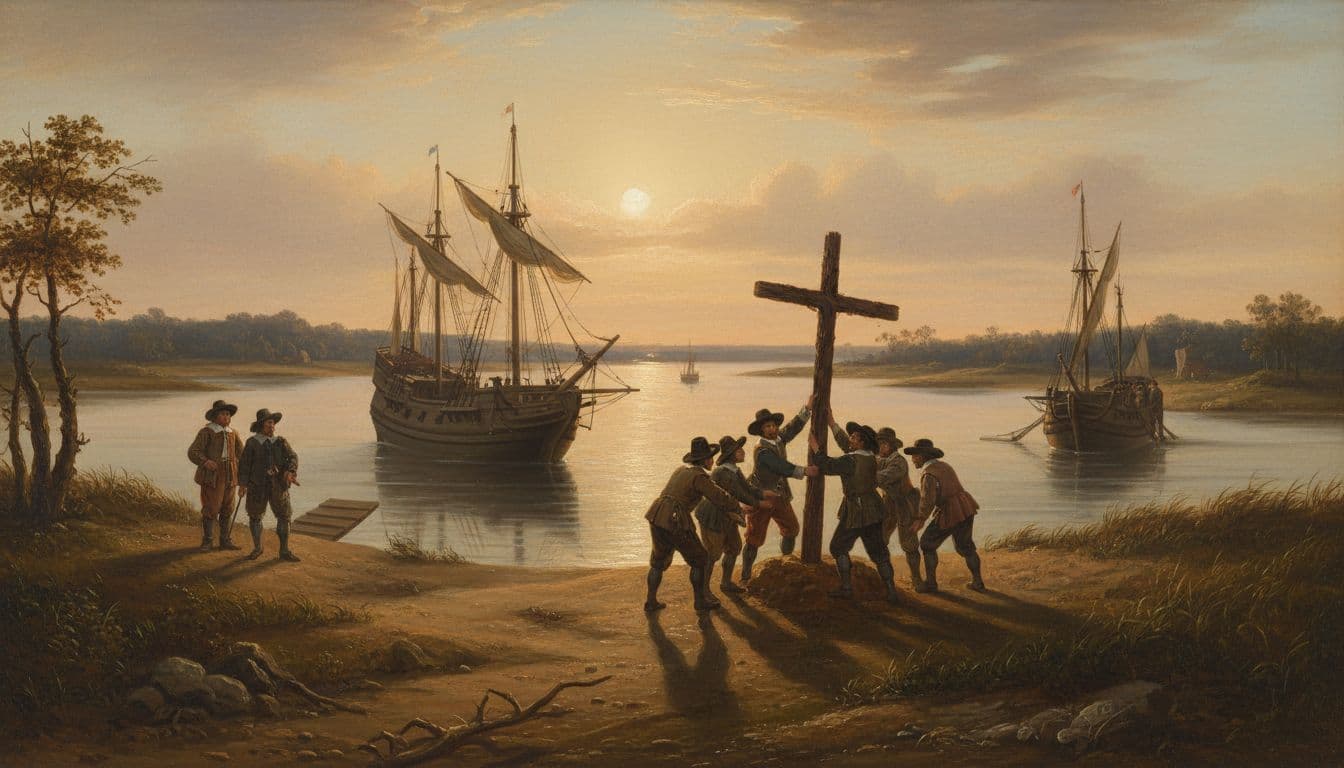
AI generated image of landing at St. Mary’s
Why Leonard Calvert and the settlers came to Maryland
Leonard Calvert led the expedition and became Maryland’s first governor. He was the brother of Cecil Calvert, the second Lord Baltimore, whose family held the colony’s charter from the English crown.
The Calvert family wanted to establish a new English colony in North America. Part of that plan involved creating a place where Catholics could live with more safety than they often had in England. At the same time, Maryland was not meant to be a Catholics-only colony. Protestants also settled there from the start.
So, the colony had both political and religious goals. It served the interests of the Calvert family, but it also reflected a hope for broader Christian toleration than some other English colonies allowed.
What happened at St. Clement’s Island on March 25
Sources tied to Maryland’s founding tell of the settlers landing on St. Clement’s Island and raising a large cross. That act gave the moment a strong religious meaning, which later shaped how people remembered the date.
Soon after, the settlers moved toward the nearby Yaocomico area. The Yaocomico people, part of the larger Piscataway world, already lived in the region. Early relations involved negotiation and exchange, though those contacts unfolded within a colonial system that would bring lasting change and loss for Native communities.
That first landing did not create Maryland Day right away. Still, it gave the observance its anchor. Without March 25, 1634, there would be no Maryland Day to mark.
How Maryland Day became an official part of state history
People remembered Maryland’s founding long before the state formally recognized Maryland Day. In southern Maryland, especially near the original colony site, local memory stayed strong through church traditions, anniversaries, and public ceremonies.
Over time, those local efforts helped turn a regional remembrance into a statewide one. What began as a historical anniversary slowly became part of Maryland’s civic calendar.
Early efforts to honor Maryland’s founding
In the 1800s, clergy, local historians, and civic groups helped keep the story alive. Churches connected to the colony’s early history held observances tied to March 25. Historical societies also promoted interest in Maryland’s beginnings.
St. Mary’s County played a major role because it held the ground where the story began. Local commemorations, speeches, and anniversary events gave residents a way to honor the colony’s founding long before most Marylanders treated the date as a public observance.
That kind of public memory matters. A holiday rarely appears out of thin air. First, people tell the story. Then they repeat it. After that, lawmakers and schools often follow.
When Maryland Day was officially recognized
Maryland Day became a legal state holiday in 1903. That step gave formal recognition to a date people had already been marking for years.
Even so, Maryland Day has never worked like Thanksgiving or the Fourth of July. It is better understood as a day of observance than a major shutdown holiday. Schools, museums, local groups, and history sites have often carried the main work of remembrance.
In other words, the law gave Maryland Day status, but communities gave it life.
How the meaning of Maryland Day has changed over time
Public history never stands still. The way people talk about Maryland Day in 2026 is not the same as it was in 1903, or even 50 years ago.
Older versions of the story often centered almost entirely on settlers, ships, faith, and colonial beginnings. Those parts still matter, but they no longer tell the whole story.
Maryland Day is not only about a founding date, it is also a chance to look at the costs and conflicts tied to that founding.
That shift has made the observance richer and more honest.
From a simple founding story to a fuller view of the past
For many years, Maryland Day was framed as a clean origin story. The landing looked heroic, orderly, and inspiring. In that version, the main themes were courage, hope, and religious purpose.
Today, historians and educators usually offer a wider view. They still discuss Leonard Calvert, the Ark and the Dove, and the cross on the island. However, they also ask harder questions about colonization, land, power, and memory.
Whose voices shaped the old story? Whose voices were left out? Those questions matter because state history works like a family album. If only a few faces appear in the pictures, the past looks simpler than it really was.
A fuller view doesn’t erase the founding story. Instead, it places that story in a larger frame. That makes Maryland Day more useful, especially for students trying to understand how history is written.
Why Native history is part of the story too
Indigenous peoples lived in the Maryland region long before 1634. The Yaocomico were not background figures in someone else’s drama. They were part of an existing world with communities, trade, leadership, and ties to the land.
That is why Native history belongs at the center of any serious account of Maryland Day. The English landing did not happen on empty ground. It happened in a place already known, used, and inhabited.
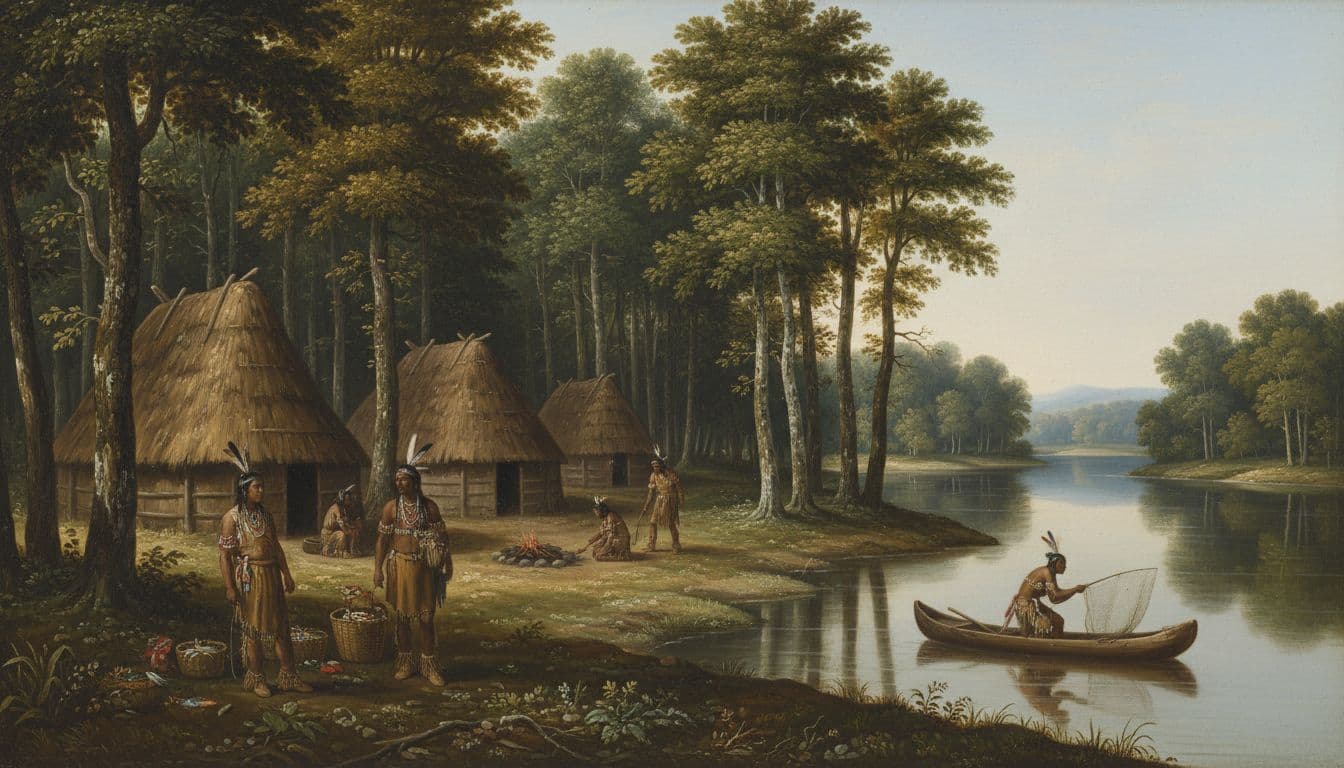
AI generated image of Yaocomico Native American village
When museums and schools include Native communities in Maryland Day programming, they improve the story. They show that the state’s history began before the colony. They also remind visitors that colonization brought displacement, pressure, and long-term harm, even when early contacts looked peaceful on the surface.
What Maryland Day looks like today across the state
Modern Maryland Day observances mix education, tourism, and community events. Some happen on March 25 itself. Many others take place over a weekend, especially in late March, so more people can attend.
Historic St. Mary’s City remains one of the best-known centers of activity. Nearby churches, museums, parks, and heritage sites also take part. Together, they turn the observance into something people can see, hear, and walk through.
Events, landmarks, and living history programs
A Maryland Day event today may feel part classroom, part festival, and part reflection. Visitors might watch a reenactment, tour a colonial site, or attend a church service tied to the state’s early history.
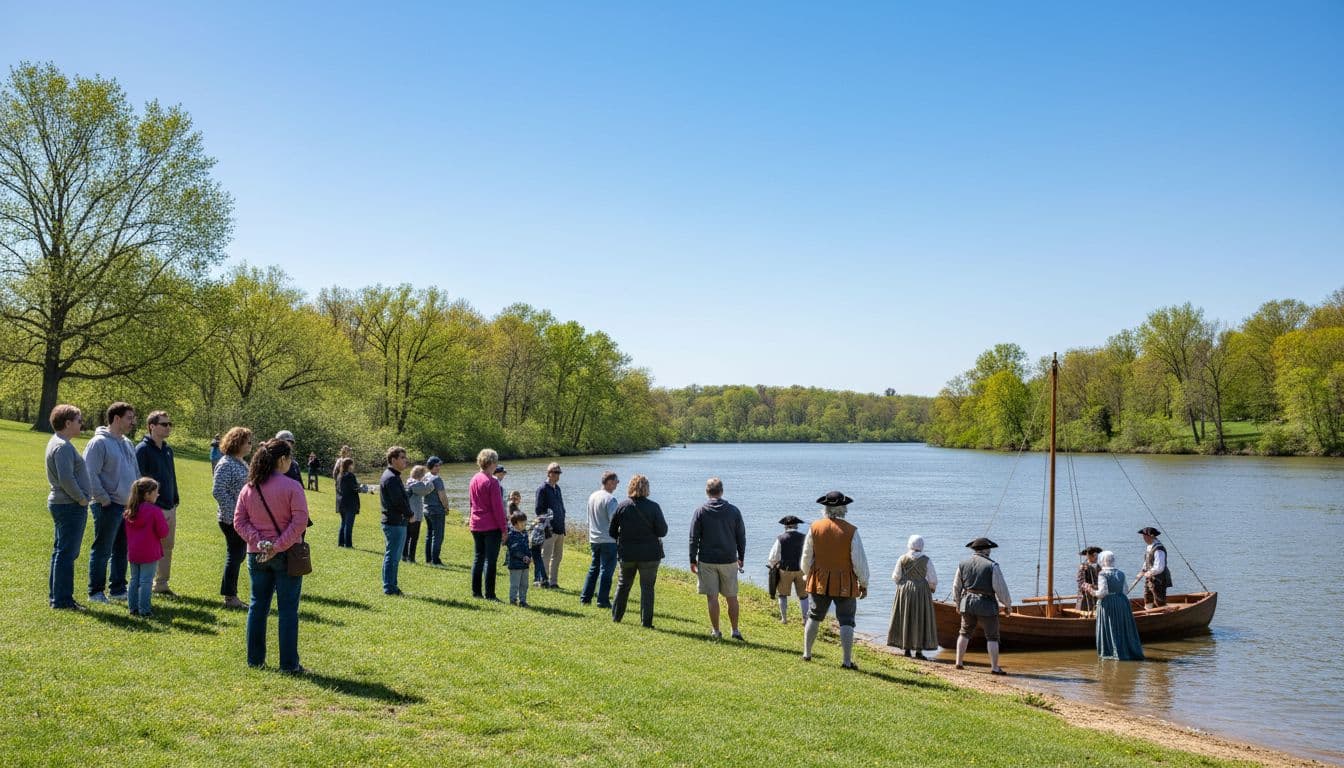
AI generated image of visitors at riverside park in St. Mary’s County
Common activities often include:
- Historic site tours: Visitors explore places tied to early Maryland, especially in St. Mary’s County.
- Living history programs: Interpreters in period clothing explain colonial life in plain, hands-on ways.
- Family events: Craft stations, talks, and outdoor programs help younger visitors connect with the past.
- Commemorative services and lectures: Churches, museums, and local groups add context beyond the landing itself.
Because of that range, Maryland Day works for more than one audience. Some people come for local pride. Others come for school projects, spring outings, or a deeper understanding of the state’s early history.
Why Maryland Day still matters to students and families
Maryland Day gives people a date they can hold onto. History often feels huge and blurry, but a single day can open the door. From there, students and families can trace bigger themes such as religion, settlement, Native history, and public memory.
It also teaches a useful lesson about how stories change. A child might first learn that Maryland began with two ships and a landing. Later, that same student can learn about the Yaocomico, the Calverts, and the wider effects of colonization. Both stages matter, but the second one is deeper.
That is why Maryland Day still has value. It helps people connect with the state’s beginnings while asking sharper questions about what those beginnings meant.
Maryland Day as memory and history
Maryland Day began with the landing at St. Clement’s Island in 1634, but the observance itself took shape much later. Since then, the story has widened from a simple founding anniversary to a fuller account of the people and events that shaped Maryland.
The best way to mark Maryland Day is not just to remember a date. It’s to keep learning, keep asking, and keep making room for the many histories that meet on that shore.
-
Best Pizza in Baltimore, MD
-
Best Pizza in Annapolis
What’s Up Magazine
-
Biggest Pizza Chains in America
Ranked 30th in MSN.com Biggest Pizza Chains in America
-
WTOP Best Pizza 2020
WTOP #1 BEST PIZZA 2020
WTOP readers and listeners nominated a number of local businesses serving pizza in D.C., Maryland and Virginia.
Out of hundreds of restaurants and eateries, Ledo Pizza was voted the favorite.
-
Best Pizza in Lynchburg, VA
Lynchburg Living
-
Best Pizza on the Eastern Shore
What’s Up Eastern Shore
-
Best Pizza in West Anne Arundel County
What’s Up West County
-
Best Pizza in Annapolis
What’s Up Annapolis
-
3rd in the United States Most Loyal Customers
Top 50 Beloved Brands – Datassential
-
Kids Choice
Taste of Town, Myrtle Beach
-
Readers Choice Best Pizza
North Myrtle Beach Herald
-
Best Pizza Joint
SC Woman Magazine
-
Best of the Grand Strand
WMBF News Myrtle Beach
-
Best Pizza Joint
SC Woman Magazine
-
Best Pizza on the Eastern Shore
What’s Up Eastern Shore
-
Best Pizza in Annapolis
What’s Up Annapolis
-
Best Pizza in West Anne Arundel County
What’s Up West County
-
Best Pizza in Severna Park
Severna Park Voice
-
Best Pizza in Washington
Washington City Paper
-
Best Entree
Taste of Town, Myrtle Beach
-
Best Pizza Joint
SC Woman Magazine
-
Best Pizza – Kent Island, MD
Shore Update 2017
-
Best Pizza & Family Dinning in Baltimore
Baltimore’s Child Magazine
-
Favorite Kid’s Meal
Chesapeake Family Magazine
-
Best Pizza in Annapolis
What’s Up Annapolis
-
Best Pizza in West Anne Arundel County
What’s Up Magazine
-
Ranked in the Top 500 Franchise List
Ranked #344 – Entrepreneur Media Inc.
-
Best Pizza in Bethesda
Bethesda Magazine
-
Best Pizza & Wings in Cary, NC
Best of Cary 2016 -The News & Observe
-
Best Pizza in Washington
Washingtonian
-
Lifetime Achievement Award -Rob Beall
Restaurant Association of Maryland
-
Best Pizza in Annapolis
What’s Up Annapolis
-
Best Pizza in West Anne Arundel County
What’s Up West County
-
Best Pizza in Bethesda
Bethesda Magazine
-
Best Pizza on The Shore
The Shore Newspaper
-
Best Pizza in Annapolis
What’s Up Annapolis
-
Best Pizza in West Anne Arundel County
What’s Up West County
-
Best Pizza in Winchester / Frederick
Northern Virginia Daily
-
Best Pizza in Prince George’s County
The Gazette Newspaper
-
Best Pizza in Montgomery County
The Gazette Newspaper
-
Best Pizza in Maryland
Family Magazine’s – Reader’s Choice Awards 2014
-
Best Pizza in Winchester/Frederick County
Northern Virginia Daily
-
Best of Frederick
Frederick Magazine
-
Best of Frederick
Gazette Newspaper
-
Best Slice DC
Washington City Paper (Washington, DC) -
Best Pizza in Winchester / Frederick
Northern Virginia Daily
-
Best Pizza In Maryland
Maryland Family Magazine
-
America’s 25 Best Pizza Chains
The Daily Menu – #3 Ledo Pizza
http://www.thedailymeal.com/americas-25-best-pizza-chains-slideshow
-
Best Wings in Rock Hill, SC
York County Regional Chamber
-
Best Pizza & Wings
-
Best Pizza of Prince George’s
Prince George’s County Gazette
-
Best Slice DC
Washington City Paper (Washington, DC)
-
Best of Pizza in Frederick
gazette.net (Frederick, MD)
-
Golden Anchor Award for Best Pizza, Best Family Restaurant, and Best Staff
Shore Updates (Eastern Shore, MD)
-
Employer of the Year
Massaponax High School DECA Program (Massaponax, VA)
-
Best Pizza Award Honorable Mention
Howard County Howard Magazine (Howard County, MD)
-
Best of DC Pizza
Washington City Paper (Washington, DC)
-
NBC Best Pizza Award
nbcwashington.com (Washington, DC)
-
Best Pizza on Eastern Shore
What’s Up Magazine (Eastern Shore, MD)
-
Best Pizza Franchise
What’s Up Magazine (Annapolis, MD)
-
Best Pizza Frederick
Frederick Magazine
-
Best Pizza in Winchester / Frederick
Northern Virginia Daily
-
Golden Anchor Award for Best Pizza, Best Family Restaurant, and Best Staff
Shore Updates (Eastern Shore, MD)
-
Employer of the Year
Massaponax High School DECA Program (Massaponax, VA)
-
Best of Warrenton Lifestyle Best Pizza
warrentonlifestyle.com (Warrenton, VA)
-
Best Pizza Award
Howard County Howard Magazine (Howard County, MD)
-
Best Pizza on Eastern Shore
What’s Up Magazine (Eastern Shore, MD)
-
Best Pizza Frederick
Frederick Magazine
-
Favorite Family Restaurant in Fredericksburg, VA
Attractions Dining and Value Guide (Fredericksburg, VA)
-
Golden Anchor Award for Best Pizza, Best Family Restaurant, and Best Staff
Shore Updates (Eastern Shore, MD)
-
1st Runner-Up Employer of the Year
Massaponax High School DECA Program (Massaponax, VA)
-
Best Pizza Award
Howard County Howard Magazine (Howard County, MD)
-
Best Pizza, Best Place for a Cheap Date
Best of the Bay (Annapolis, MD)
-
Best of Warrenton Lifestyle Best Pizza
warrentonlifestyle.com (Warrenton, VA)
-
Best Pizza Frederick
Frederick Magazine
-
Golden Anchor Award for Best Pizza, Best Family Restaurant, and Best Staff
Shore Updates (Eastern Shore, MD)
-
Best Pizza Award
Howard County Howard Magazine (Howard County, MD)
-
1st Runner-Up Employer of the Year
Massaponax High School DECA Program (Massaponax, VA)
-
Best Pizza Frederick
Frederick Magazine
-
Golden Anchor Award for Best Pizza, Best Family Restaurant, and Best Staff
Shore Updates (Eastern Shore, MD)
-
WTOP Top Pizza
wtop.com (Washington, DC)
-
Best Pizza Frederick
Frederick Magazine
-
Best Pizza Award
Howard County Howard Magazine (Howard County, MD)
-
Graphic Design
QSR-FPI
-
Best Pizza Frederick
Frederick Magazine
-
Best Pizza Award
Howard County Magazine (Howard County, MD)
-
Print Quality Award
PGAMA
-
Best Pizza Frederick
Frederick Magazine
-
Official Citation for 50 years of Business
House of Delegates
-
Proclamation to Ledo 50 Anniversary
Montgomery County Maryland
-
Best Pizza Frederick
Frederick Magazine
-
Appreciation Award
Casey Cares
-
Best Pizza Frederick
Frederick Magazine
-
Best Pizza Frederick
Frederick Magazine
-
Best Pizza Frederick
Frederick Magazine
-
Best Pizza Award
Howard County Howard Magazine (Howard County, MD)
-
Best Pizza Frederick
Frederick Magazine
-
Maryland Hospitality and Education Association
National Restaurant Association
-
Best Pizza Frederick
Frederick Magazine
-
Recognition of Educational Excellence Dinner FD
Chamber of Commerce
-
Award for Representing Education and Hospitably
National Restaurant Association
-
Best Pizza Frederick
Frederick Magazine
-
Best Pizza Frederick
Frederick Magazine
-
Best Pizza Frederick
Frederick Magazine
-
Restaurateur of the Year
Restaurant Association of Maryland
-
Best Pizza Frederick
Frederick Magazine
-
Best Pizza Frederick
Frederick Magazine
-
Best Pizza Frederick
Frederick Magazine
-
Restaurateur of the Year
Restaurant Association of Maryland