The History of Opening Day for the Baltimore Orioles
What makes Opening Day in Baltimore feel bigger than one game? Part of it is baseball, of course. Part of it is spring. But a lot of it comes from history, memory, and the way the city shows up every year with fresh hope.
The modern Orioles arrived in Baltimore in 1954, when the St. Louis Browns moved and took on a new name. From that point on, Opening Day quickly became more than a date on the schedule. It turned into a city tradition, tied to local pride, packed streets, old routines, and the simple joy of seeing orange and black again. From Memorial Stadium to Camden Yards, the first game of the season has carried the same promise, this year could be the start of something good.
How the Orioles gave Baltimore a new Opening Day in 1954
Baltimore already loved baseball before 1954. The city had strong baseball roots, older Orioles teams, and fans who understood the sport deeply. Still, getting a Major League club changed everything. It gave Baltimore a new center of gravity each spring.
That first Orioles season felt like a civic reset. The city was no longer watching from the side. It had its own American League team, its own uniforms, and its own home dates to circle. Opening Day became the public face of that change. People didn’t just attend, they claimed it.
From the St. Louis Browns to the Baltimore Orioles
The franchise that came to Baltimore had spent years in St. Louis as the Browns. After the move, the club took the Orioles name and began a new chapter. For Baltimore, the change meant far more than a rebrand. It meant belonging to the major league map.
Fans finally had a team to follow from the first pitch of spring to the last out of fall. That mattered in a town that had long wanted major league status again. Every new season now opened with a local team, not someone else’s club passing through.
Because of that, the first Baltimore opener carried extra weight. It wasn’t only the start of a season. It was proof that the city had arrived.
What the first Baltimore home opener felt like
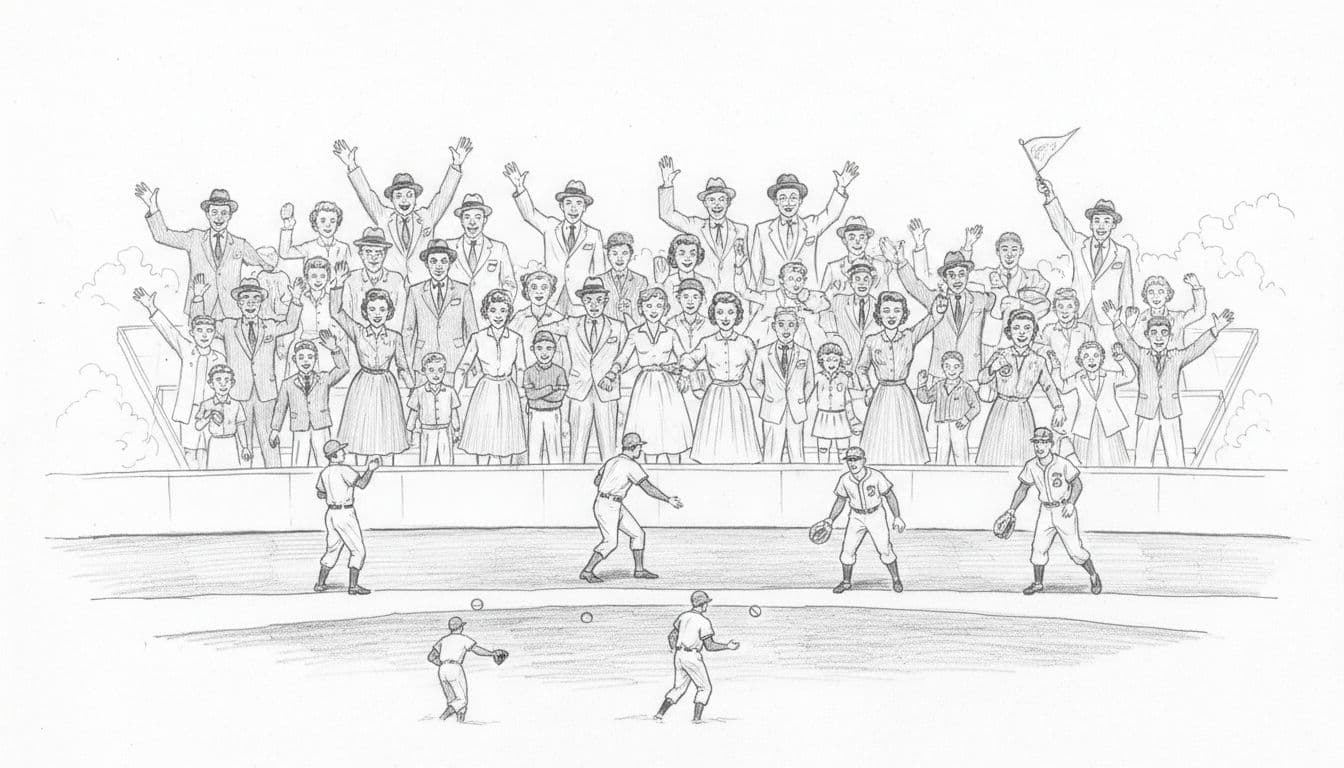
The early home opener at Memorial Stadium had the mood of a public celebration. Families came out together. Pennants waved. The stands filled with fans who wanted to see, and be seen, at the birth of something new.
There was noise, color, and a real sense of release. After a long winter, baseball returned with a fresh identity that belonged to Baltimore. That first wave of fan support set the tone for decades to come.
It also helped that Opening Day fit the city’s personality. Baltimore has always valued tradition, neighborhood ties, and a good reason to gather. The Orioles gave people all three at once.
Why Memorial Stadium made early Orioles Opening Days feel so special
Memorial Stadium gave early Orioles Opening Days their stage, and it was a good one. The ballpark could feel grand and neighborly at the same time. Fans came in waves, but the day still had a family feel.
For many people, going to the opener became an annual habit. Parents took kids. Friends met up at the same spots. Some fans wore old team gear for luck, while others just wanted to hear the first cheers rise from the stands. The park turned those habits into memory.
Crowds, ceremonies, and a full day in the city
At Memorial Stadium, Opening Day often felt like a whole-day event. Fans didn’t just show up at game time and leave after the ninth. They built a day around it.
Pregame ceremonies helped. Marching bands, civic figures, first pitches, and introductions gave the opener a formal touch. Yet the mood never felt stiff. It felt festive, like the city had agreed to celebrate together.
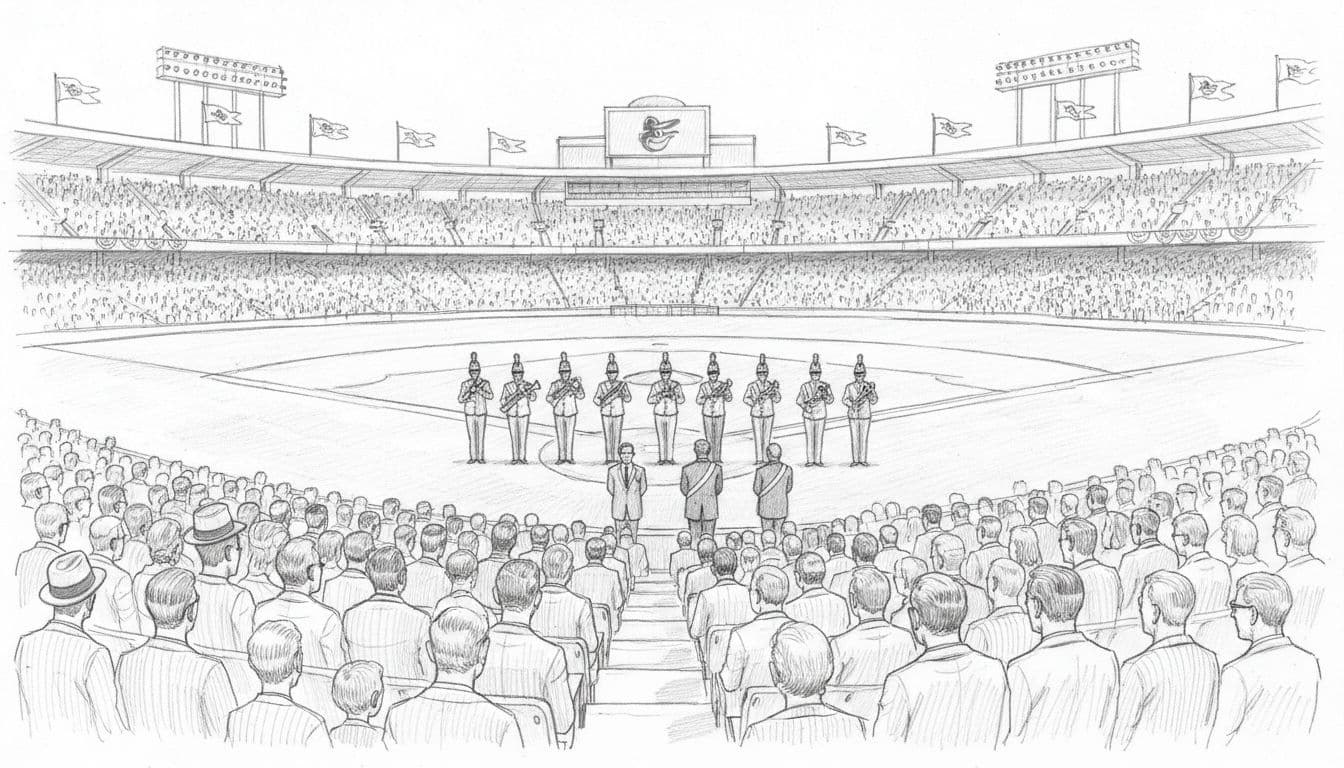
Around the game, Baltimore buzzed. Restaurants filled up. Radios carried pregame talk. People made plans around first pitch the way they might for a holiday parade. Over time, that rhythm became part of spring itself.
The winning years made Opening Day even bigger
Then the team got good, and the stakes rose. In the 1960s, 1970s, and into the early 1980s, the Orioles became one of baseball’s steadier winners. That success gave Opening Day extra force.
When fans believed the club could contend, the first game felt loaded with meaning. It wasn’t just a reunion after winter. It was a first look at a team that might chase a pennant.
That changes the air in a ballpark. Hope gets louder when it has evidence behind it. Every introduction matters more. Every first hit seems to point toward October, even if it’s only April.
Big moments that shaped Orioles Opening Day over the years
Some Opening Days fade into the background. Others tell the story of a franchise in one afternoon. For the Orioles, a few eras stand out because they show how the team’s identity changed while the tradition stayed strong.
Memorable openers from the Brooks and Palmer era
When fans think about classic Orioles baseball, names like Brooks Robinson, Jim Palmer, and Earl Weaver come fast. Those years gave Baltimore a clear baseball image, smart, tough, and built to win.
Opening Day during that stretch carried a different kind of confidence. Fans didn’t arrive hoping the team might be decent. They often came expecting the Orioles to matter in the standings.
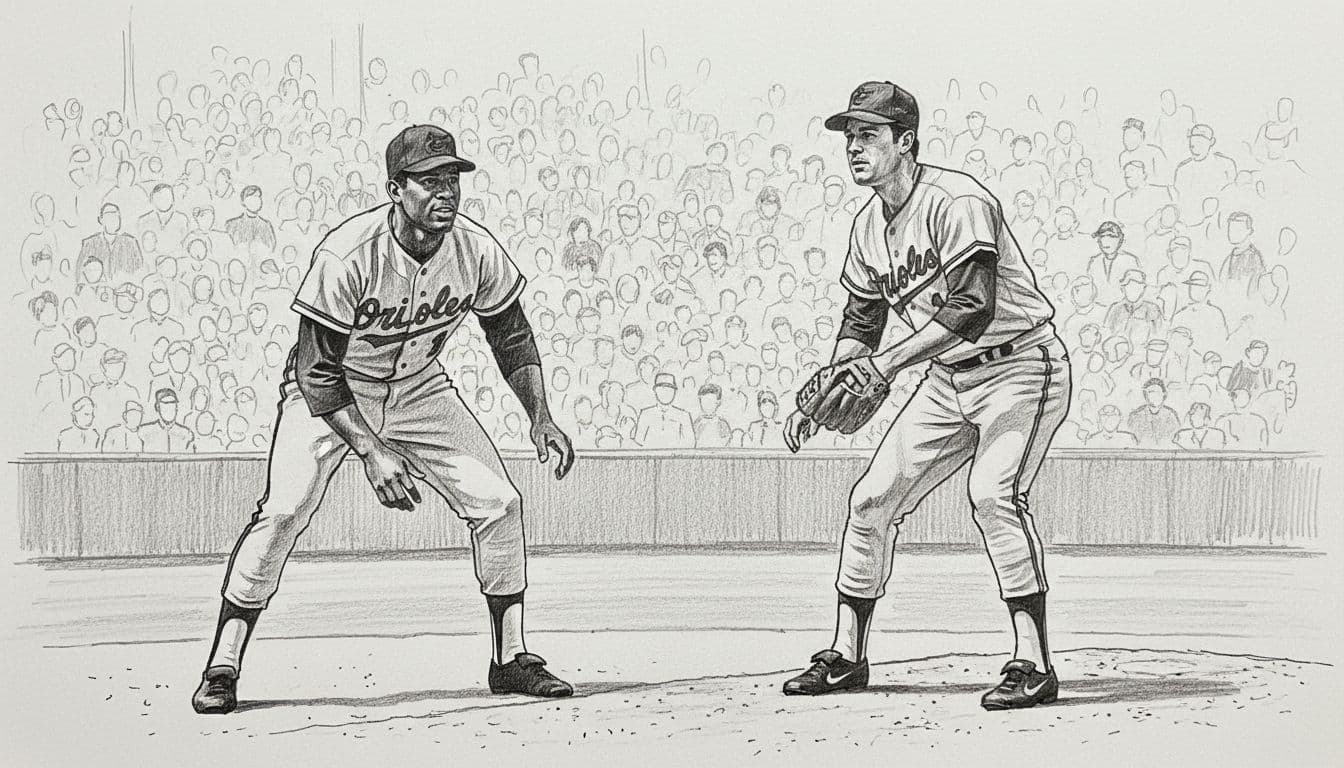
That made the opener feel like the first scene in a story fans trusted. Brooks at third, Palmer on the mound, Weaver in the dugout, those were not just familiar faces. They were signs that Baltimore baseball had standards, and Opening Day was where those standards came back into view.
Cal Ripken Jr. and the modern face of Opening Day
Later, Cal Ripken Jr. became the player most closely tied to Orioles continuity. Rosters changed. Baseball changed. The city changed too. Yet Ripken gave fans a steady thread from one opener to the next.
That mattered because Opening Day works best when it mixes new hope with old memory. Ripken brought both. He symbolized reliability, pride, and the idea that showing up every year still means something.
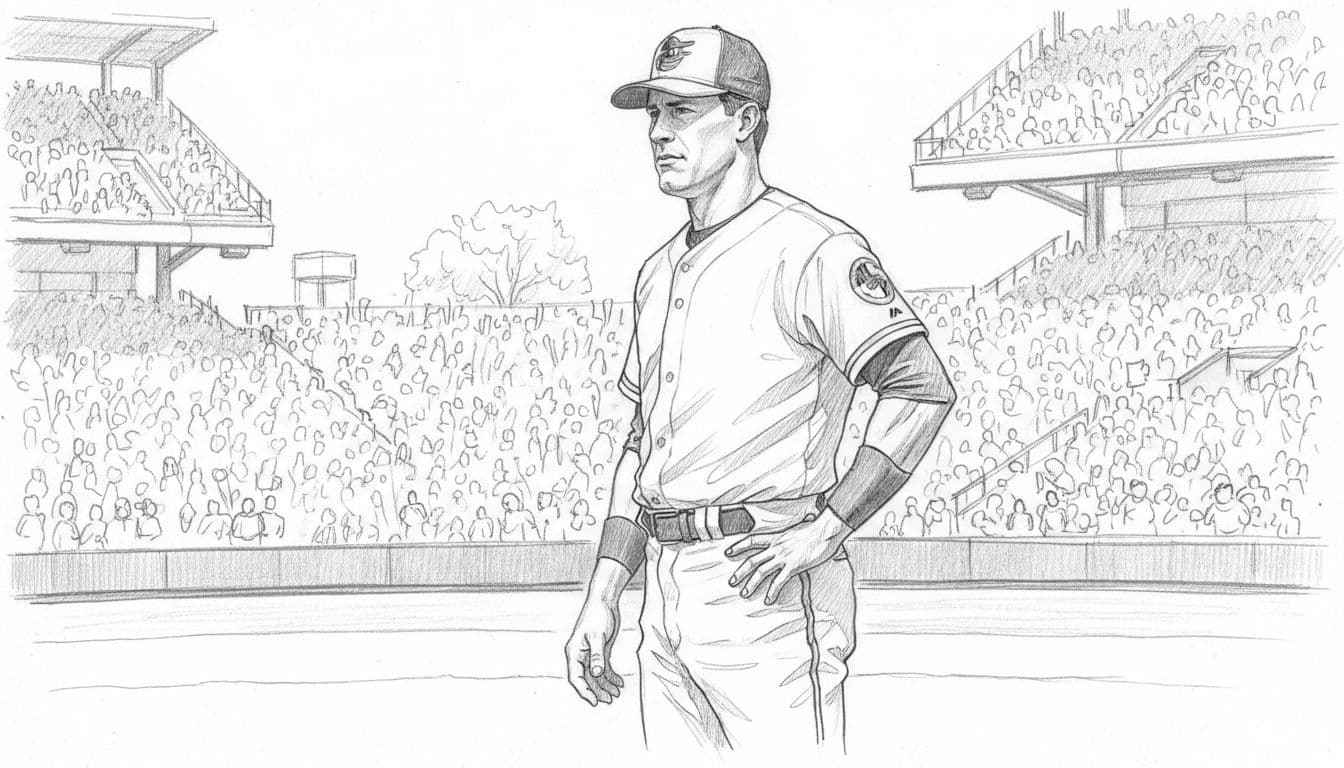
His streak fits that story, but so does his presence in general. For many Baltimore fans, seeing Ripken on Opening Day meant the season had truly begun. He became part of the annual ritual, almost like the anthem or the first warm afternoon breeze.
Opening Day at Camden Yards changed the look and feel
When Oriole Park at Camden Yards opened in 1992, the Orioles got a fresh home and Opening Day got a new backdrop. The park felt modern, but it also looked rooted in baseball history. That balance made an instant impression.
Eutaw Street, the brick warehouse, and the skyline gave the opener a new visual style. It felt classic without feeling old. Fans could sense that the ballpark itself was part of the event.
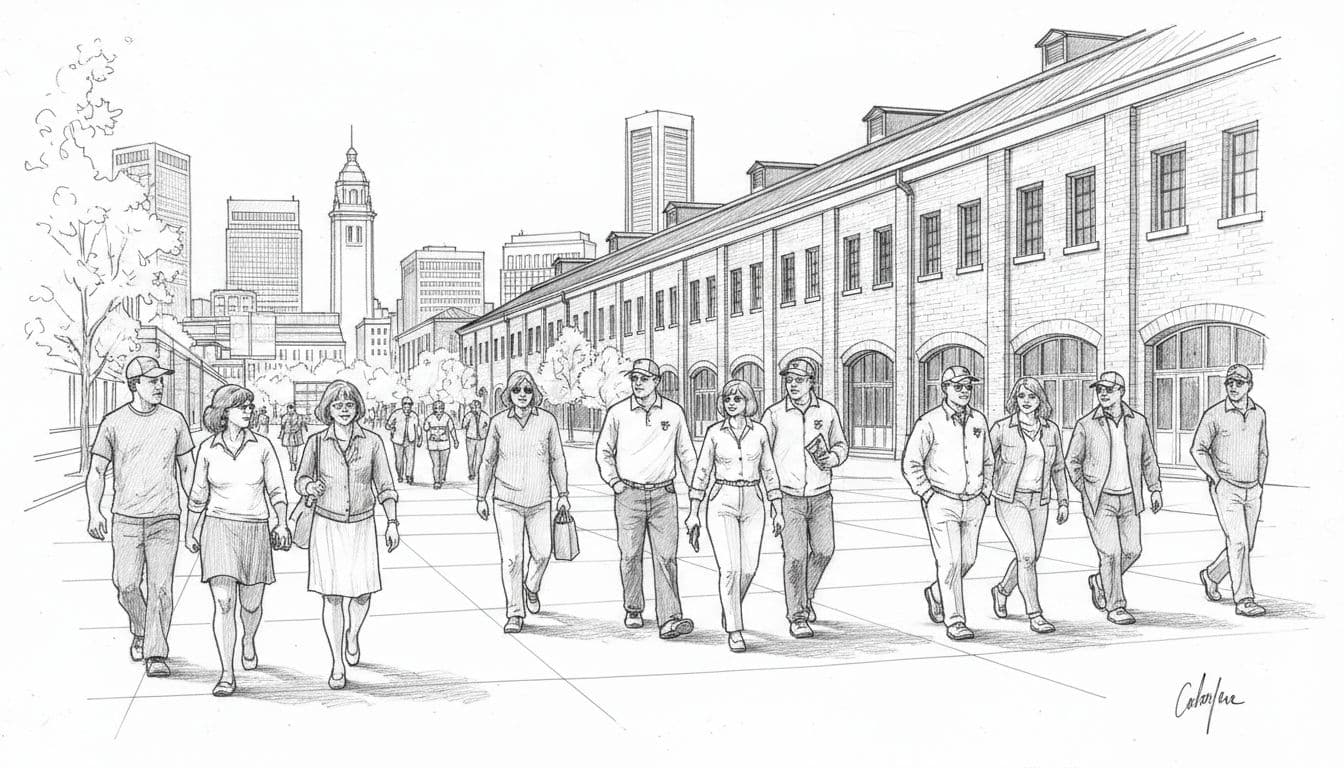
Camden Yards refreshed the franchise at the right time. It gave Opening Day a setting that matched Baltimore’s baseball soul, proud of the past, but ready for something new. In a way, the park did what the 1954 move had done. It made the city feel newly connected to its team.
What Orioles Opening Day means to Baltimore today
Today’s Orioles Opening Day looks different from the one fans knew in the 1950s or 1970s. People post photos before first pitch. Friends text from Eutaw Street. Kids wear jerseys their parents once wore to the yard. Still, the core feeling hasn’t changed much.
The day remains a shared marker on the calendar. It says winter is over. It says baseball is back. Most of all, it says Baltimore gets another chance to gather around the same colors and the same hopes.
Local rituals that keep fans coming back every spring
Every fan has a version of Opening Day. Some take off work. Some bring their kids out of school early. Others meet the same friends every year for a drink, a crab cake, or a quick bite before walking to the park.
Orange and black show up everywhere. So do old jackets, lucky caps, and stories that begin with, “I remember one opener when…” Those routines matter because they turn a baseball date into a family custom.
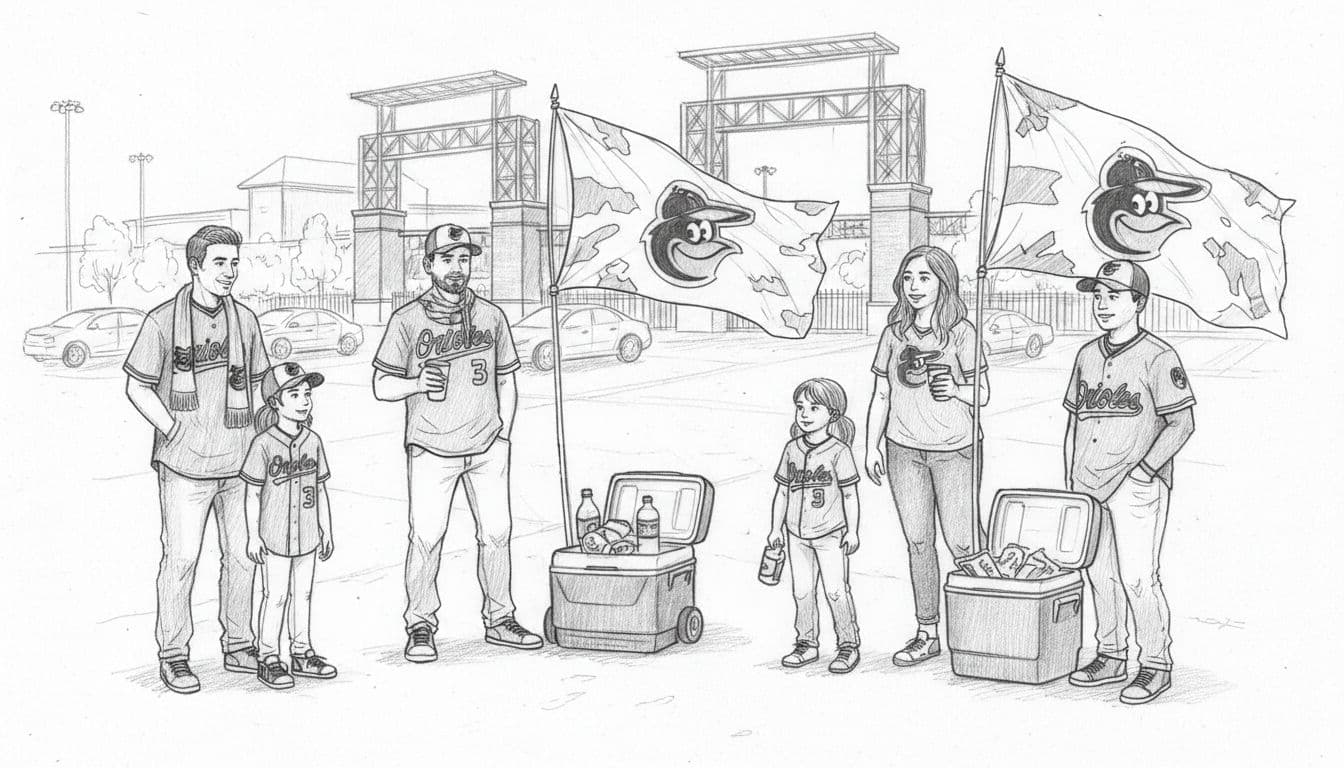
Even fans who don’t attend still feel it. They listen on the radio, follow along at lunch, or make plans around the afternoon. That’s how city traditions work. You don’t have to be in every seat to be part of the event.
Why the first game still feels bigger than baseball
Opening Day lasts because it stands for more than a score. It holds memory, routine, and optimism all at once. A fan might think about a parent, a grandparent, or a first trip to the ballpark before the game even starts.
In Baltimore, Opening Day feels like a handshake between generations.
That may be why the day keeps its power in winning years and losing years alike. The standings are empty that morning. Everyone starts even. Hope walks through the gates with every fan.
Conclusion
The history of Opening Day for the Baltimore Orioles starts with the club’s move to Baltimore in 1954, but it doesn’t stop there. It runs through Memorial Stadium, the Brooks and Palmer years, Cal Ripken Jr., and the fresh look of Camden Yards. Through every era, Opening Day has kept the same pull because it links Baltimore’s baseball past to the promise of a new season. That’s why the first game still matters so much, it feels like the city starting up again.