
The History of Maryland Day, From 1634 to Today
On March 25, 1634, English settlers came ashore at St. Clement’s Island and began the colony that became Maryland. That landing gave the state one of its most remembered dates, but the story of Maryland Day didn’t stop in the 1600s.
Today, Maryland Day is both a historical marker and a modern observance. It points back to a colonial beginning, and it also invites people to think harder about who was here, what changed, and why that past still matters. Here’s where the day came from, how it became official, and why its meaning has grown over time.
The 1634 landing that gave Maryland Day its meaning
Maryland Day centers on one moment: the arrival of the settlers who traveled on the Ark and the Dove. They reached St. Clement’s Island, in what is now St. Mary’s County, after a long trip across the Atlantic and through the Chesapeake region.
For later generations, that landing became a symbol. It marked the start of Maryland as an English colony. As a result, March 25 stayed in public memory long after the first settlers were gone.
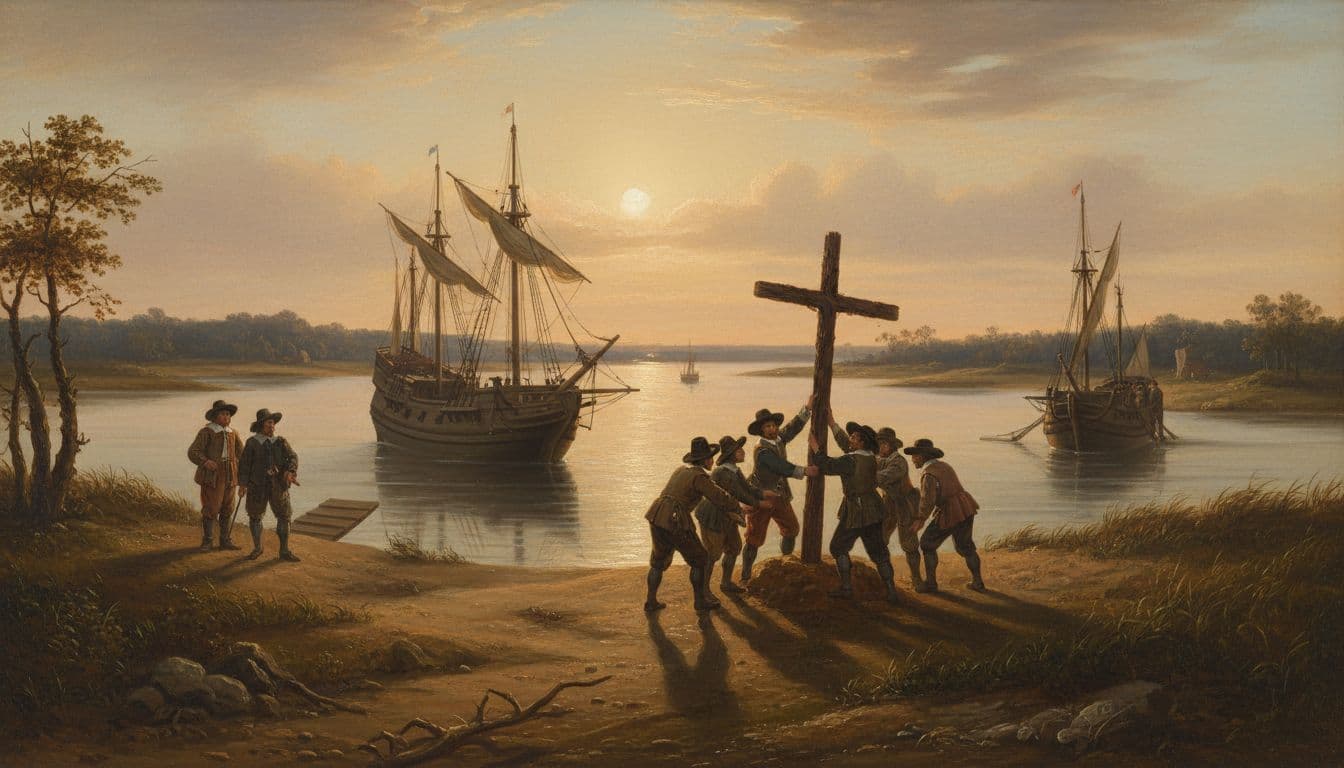
AI generated image of landing at St. Mary’s
Why Leonard Calvert and the settlers came to Maryland
Leonard Calvert led the expedition and became Maryland’s first governor. He was the brother of Cecil Calvert, the second Lord Baltimore, whose family held the colony’s charter from the English crown.
The Calvert family wanted to establish a new English colony in North America. Part of that plan involved creating a place where Catholics could live with more safety than they often had in England. At the same time, Maryland was not meant to be a Catholics-only colony. Protestants also settled there from the start.
So, the colony had both political and religious goals. It served the interests of the Calvert family, but it also reflected a hope for broader Christian toleration than some other English colonies allowed.
What happened at St. Clement’s Island on March 25
Sources tied to Maryland’s founding tell of the settlers landing on St. Clement’s Island and raising a large cross. That act gave the moment a strong religious meaning, which later shaped how people remembered the date.
Soon after, the settlers moved toward the nearby Yaocomico area. The Yaocomico people, part of the larger Piscataway world, already lived in the region. Early relations involved negotiation and exchange, though those contacts unfolded within a colonial system that would bring lasting change and loss for Native communities.
That first landing did not create Maryland Day right away. Still, it gave the observance its anchor. Without March 25, 1634, there would be no Maryland Day to mark.
How Maryland Day became an official part of state history
People remembered Maryland’s founding long before the state formally recognized Maryland Day. In southern Maryland, especially near the original colony site, local memory stayed strong through church traditions, anniversaries, and public ceremonies.
Over time, those local efforts helped turn a regional remembrance into a statewide one. What began as a historical anniversary slowly became part of Maryland’s civic calendar.
Early efforts to honor Maryland’s founding
In the 1800s, clergy, local historians, and civic groups helped keep the story alive. Churches connected to the colony’s early history held observances tied to March 25. Historical societies also promoted interest in Maryland’s beginnings.
St. Mary’s County played a major role because it held the ground where the story began. Local commemorations, speeches, and anniversary events gave residents a way to honor the colony’s founding long before most Marylanders treated the date as a public observance.
That kind of public memory matters. A holiday rarely appears out of thin air. First, people tell the story. Then they repeat it. After that, lawmakers and schools often follow.
When Maryland Day was officially recognized
Maryland Day became a legal state holiday in 1903. That step gave formal recognition to a date people had already been marking for years.
Even so, Maryland Day has never worked like Thanksgiving or the Fourth of July. It is better understood as a day of observance than a major shutdown holiday. Schools, museums, local groups, and history sites have often carried the main work of remembrance.
In other words, the law gave Maryland Day status, but communities gave it life.
How the meaning of Maryland Day has changed over time
Public history never stands still. The way people talk about Maryland Day in 2026 is not the same as it was in 1903, or even 50 years ago.
Older versions of the story often centered almost entirely on settlers, ships, faith, and colonial beginnings. Those parts still matter, but they no longer tell the whole story.
Maryland Day is not only about a founding date, it is also a chance to look at the costs and conflicts tied to that founding.
That shift has made the observance richer and more honest.
From a simple founding story to a fuller view of the past
For many years, Maryland Day was framed as a clean origin story. The landing looked heroic, orderly, and inspiring. In that version, the main themes were courage, hope, and religious purpose.
Today, historians and educators usually offer a wider view. They still discuss Leonard Calvert, the Ark and the Dove, and the cross on the island. However, they also ask harder questions about colonization, land, power, and memory.
Whose voices shaped the old story? Whose voices were left out? Those questions matter because state history works like a family album. If only a few faces appear in the pictures, the past looks simpler than it really was.
A fuller view doesn’t erase the founding story. Instead, it places that story in a larger frame. That makes Maryland Day more useful, especially for students trying to understand how history is written.
Why Native history is part of the story too
Indigenous peoples lived in the Maryland region long before 1634. The Yaocomico were not background figures in someone else’s drama. They were part of an existing world with communities, trade, leadership, and ties to the land.
That is why Native history belongs at the center of any serious account of Maryland Day. The English landing did not happen on empty ground. It happened in a place already known, used, and inhabited.
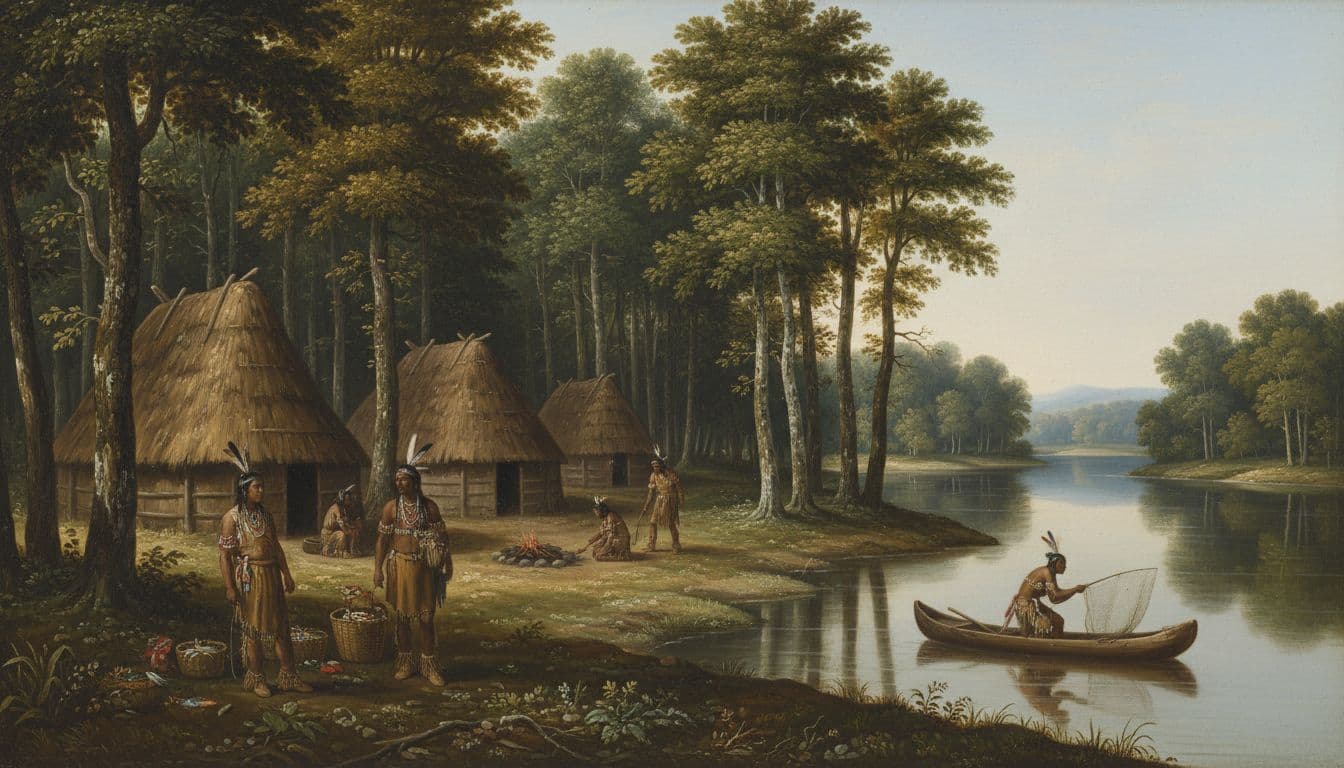
AI generated image of Yaocomico Native American village
When museums and schools include Native communities in Maryland Day programming, they improve the story. They show that the state’s history began before the colony. They also remind visitors that colonization brought displacement, pressure, and long-term harm, even when early contacts looked peaceful on the surface.
What Maryland Day looks like today across the state
Modern Maryland Day observances mix education, tourism, and community events. Some happen on March 25 itself. Many others take place over a weekend, especially in late March, so more people can attend.
Historic St. Mary’s City remains one of the best-known centers of activity. Nearby churches, museums, parks, and heritage sites also take part. Together, they turn the observance into something people can see, hear, and walk through.
Events, landmarks, and living history programs
A Maryland Day event today may feel part classroom, part festival, and part reflection. Visitors might watch a reenactment, tour a colonial site, or attend a church service tied to the state’s early history.
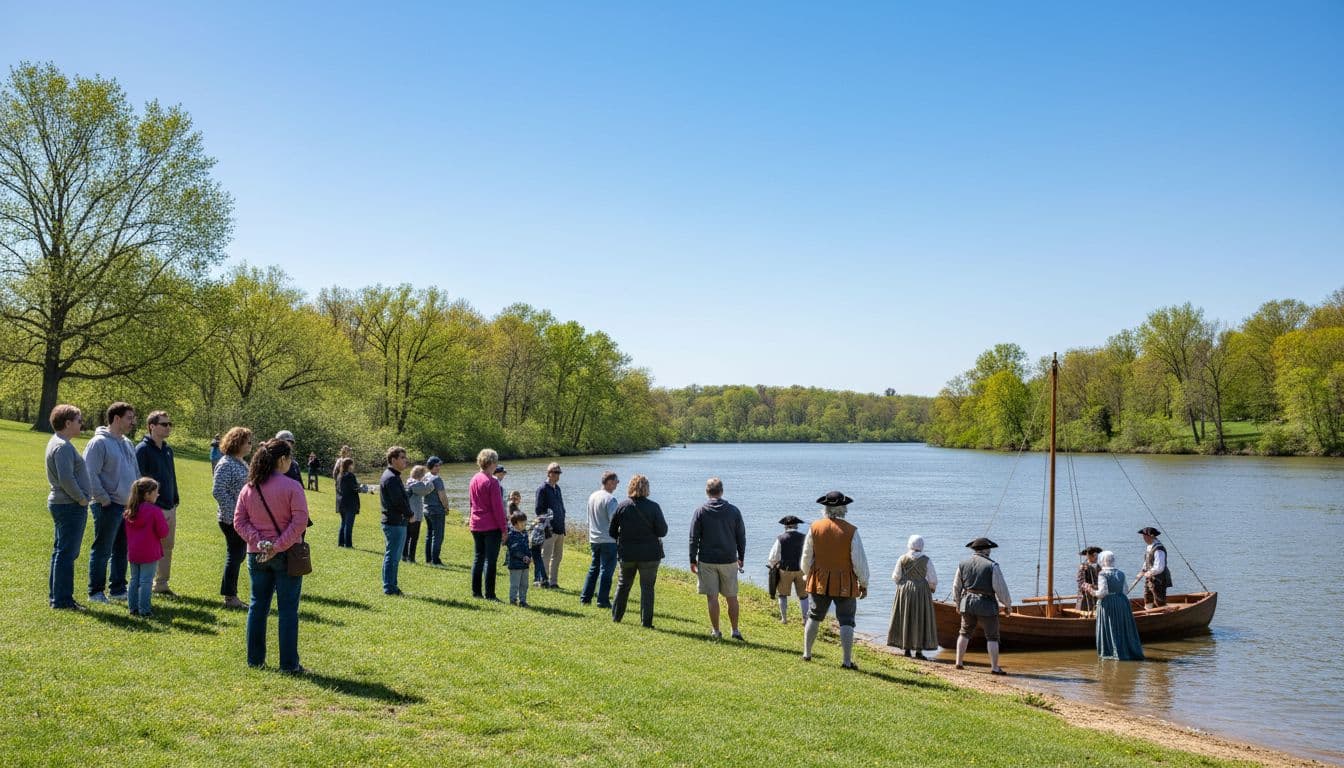
AI generated image of visitors at riverside park in St. Mary’s County
Common activities often include:
- Historic site tours: Visitors explore places tied to early Maryland, especially in St. Mary’s County.
- Living history programs: Interpreters in period clothing explain colonial life in plain, hands-on ways.
- Family events: Craft stations, talks, and outdoor programs help younger visitors connect with the past.
- Commemorative services and lectures: Churches, museums, and local groups add context beyond the landing itself.
Because of that range, Maryland Day works for more than one audience. Some people come for local pride. Others come for school projects, spring outings, or a deeper understanding of the state’s early history.
Why Maryland Day still matters to students and families
Maryland Day gives people a date they can hold onto. History often feels huge and blurry, but a single day can open the door. From there, students and families can trace bigger themes such as religion, settlement, Native history, and public memory.
It also teaches a useful lesson about how stories change. A child might first learn that Maryland began with two ships and a landing. Later, that same student can learn about the Yaocomico, the Calverts, and the wider effects of colonization. Both stages matter, but the second one is deeper.
That is why Maryland Day still has value. It helps people connect with the state’s beginnings while asking sharper questions about what those beginnings meant.
Maryland Day as memory and history
Maryland Day began with the landing at St. Clement’s Island in 1634, but the observance itself took shape much later. Since then, the story has widened from a simple founding anniversary to a fuller account of the people and events that shaped Maryland.
The best way to mark Maryland Day is not just to remember a date. It’s to keep learning, keep asking, and keep making room for the many histories that meet on that shore.